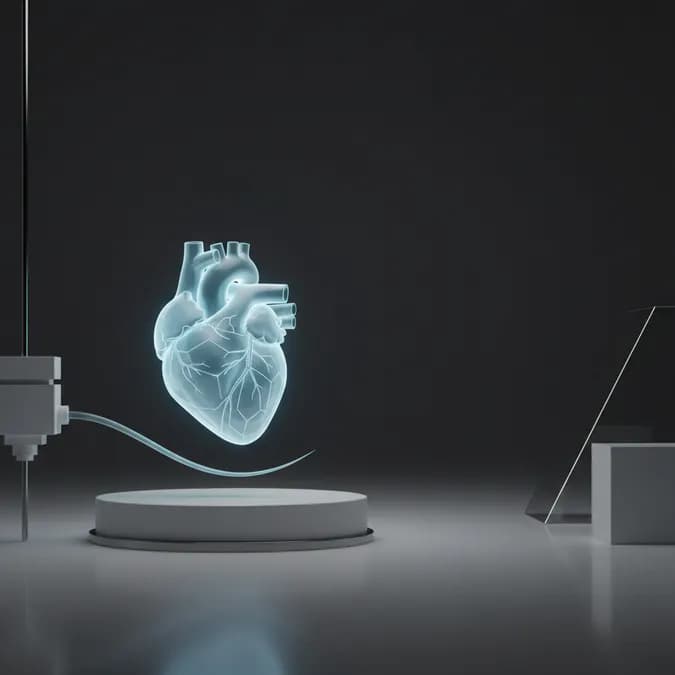
In a groundbreaking initiative, the Advanced Research Projects Agency for Health (ARPA-H) is setting its sights on a revolutionary approach to organ transplantation: on-demand, universal organ bioprinting. This ambitious project aims to address the critical shortage of organs available for transplant, a challenge that affects countless patients across the globe.
Overview of ARPA-H
ARPA-H, a branch of the U.S. Department of Health and Human Services, was established to accelerate health research and innovation. Its mission is to drive transformative breakthroughs in health and medicine, particularly in areas where traditional approaches have fallen short. The agency focuses on high-risk, high-reward projects that could lead to significant advancements in healthcare.
The PRINT Program: Pioneering Organ Bioprinting
At the forefront of ARPA-H's initiatives is the PRINT (Programmable Matter for Regenerative Medicine) program, managed by Ryan Spitler. This program is dedicated to developing technologies that enable the bioprinting of human organs on demand. By utilizing advanced materials and 3D printing techniques, the PRINT program aims to create organs that are not only functional but also compatible with individual patients, potentially eliminating the need for immunosuppressive drugs.
Challenges in Organ Transplantation
The gap between organ supply and demand is staggering. According to the Organ Procurement and Transplantation Network, as of 2023, over 100,000 individuals are on the waiting list for organ transplants in the United States alone. This shortage leads to thousands of deaths each year, highlighting the urgent need for innovative solutions. Traditional organ transplantation faces numerous challenges, including:
- Limited availability of donor organs
- Long waiting times for patients
- Risk of organ rejection
- High costs associated with transplantation procedures
The Future of Organ Bioprinting
The potential of organ bioprinting to revolutionize organ transplantation is immense. If successful, ARPA-H's efforts could lead to:
- Creation of organs tailored to individual patients, reducing the risk of rejection.
- Increased availability of organs, significantly lowering waiting times.
- Reduction in healthcare costs associated with long-term transplant care.
- Advancements in regenerative medicine, paving the way for new treatments for various diseases.
As ARPA-H continues to push the boundaries of medical science, the dream of on-demand organ bioprinting may soon become a reality, offering hope to millions in need of life-saving transplants.
Frequently Asked Questions about Organ Bioprinting
What is organ bioprinting?
Organ bioprinting is a technology that uses 3D printing techniques to create human organs from biological materials. This innovative approach aims to produce organs that are functional and compatible with patients, potentially solving the organ shortage crisis.
How does ARPA-H contribute to organ bioprinting?
ARPA-H leads initiatives like the PRINT program, which focuses on developing technologies for on-demand organ bioprinting. Their goal is to create personalized organs that can be produced quickly and efficiently.
What are the benefits of organ bioprinting?
Benefits of organ bioprinting include reduced waiting times for transplants, decreased risk of organ rejection, and lower healthcare costs associated with transplantation. It also opens new avenues for regenerative medicine.
Expert Insights on Organ Bioprinting
a health and wellness researcher in regenerative medicine, states, "Organ bioprinting represents the future of transplantation. It has the potential to eliminate the waiting list for organs and save countless lives." This sentiment is echoed by many in the medical community, emphasizing the importance of ARPA-H's initiatives.
Conclusion
In conclusion, ARPA-H's PRINT program representa significant leap forward in the quest for innovative healthcare solutions. By addressing the critical shortage of organs through bioprinting, this initiative could transform the landscape of organ transplantation and improve the lives of countless patients.