
Understanding the connection between lifestyle choices and hormonal health is crucial for men seeking to maintain vitality and strength. Testosterone health depends on numerous factors that are largely within your control. Testosterone, the primary male hormone, plays a vital role in muscle development, bone density, mood regulation, and sexual function. However, numerous modern lifestyle factors can significantly compromise testosterone production and overall hormonal balance.
The Science of Testosterone and Male Health
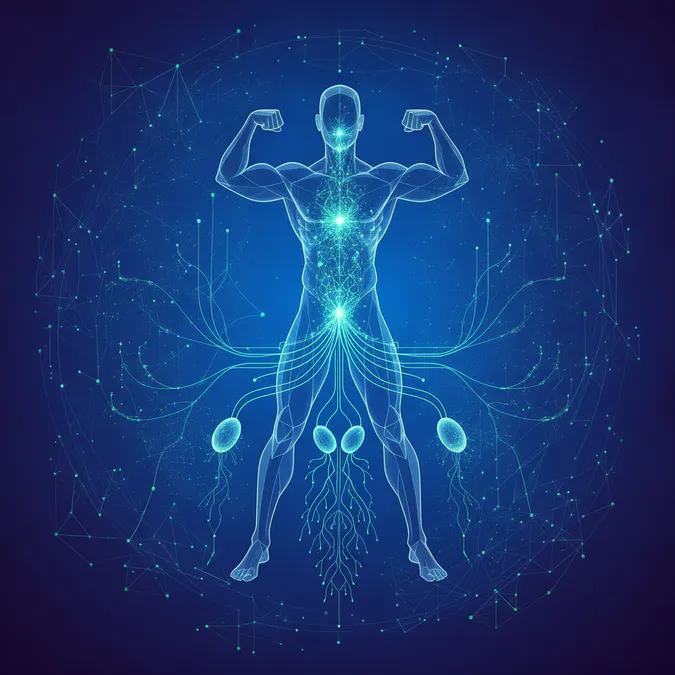
Testosterone is produced primarily in the testes and is essential for maintaining physical strength, mental clarity, and emotional well-being. Beyond the commonly known effects on muscle and sexual function, testosterone influences metabolism, cardiovascular health, cognitive function, and even immune response. When testosterone levels decline, men often experience fatigue, reduced muscle mass, weight gain, mood disturbances, and decreased motivation.
Research consistently demonstrates that lifestyle factors have a profound impact on hormonal health. Unlike some aspects of health that are largely determined by genetics, testosterone levels are significantly influenced by daily choices and environmental factors. Understanding these connections empowers men to take control of their hormonal health through actionable lifestyle modifications.
How Sleep Deprivation Damages Hormonal Health
Sleep is perhaps the most underestimated factor in testosterone production. During deep sleep, the body undergoes critical hormonal restoration processes. The majority of testosterone synthesis occurs during nighttime hours, particularly during REM sleep stages. When sleep is compromised, this natural production cycle is disrupted.
Chronic sleep deprivation has been shown to

Optimizing sleep for hormonal health requires more than just spending time in bed. Sleep quality matters significantly. Establishing consistent sleep schedules, maintaining cool bedroom temperatures, minimizing blue light exposure before bedtime, and avoiding stimulants in the evening all contribute to deeper, more restorative sleep cycles that support testosterone production.
The Inactivity Problem and Testosterone Health
Physical inactivity represents a major threat to testosterone levels and overall male health. Sedentary lifestyles are associated with lower testosterone production, increased body fat, and reduced muscle mass—creating a negative feedback loop that further suppresses hormonal health.
Regular exercise, particularly resistance training and high-intensity interval training, stimulates testosterone production both acutely during workouts and chronically through improved body composition. Strength training is especially effective because it creates mechanical tension and metabolic stress that trigger hormonal adaptations. Men who engage in consistent resistance training typically maintain higher baseline testosterone levels compared to sedentary counterparts.
Beyond testosterone, physical activity improves cardiovascular health, enhances mood through endorphin release, and promotes better sleep quality—all factors that further support hormonal balance. The relationship between exercise and testosterone is bidirectional: higher testosterone increases motivation and capacity for physical activity, while physical activity increases testosterone production.
Chronic Stress and Cortisol Dominance
Modern life presents constant stressors that keep the nervous system in a heightened state of alert. Chronic stress triggers sustained elevation of cortisol, the primary stress hormone. While cortisol is necessary for acute stress responses, prolonged elevation actively suppresses testosterone production and impairs the body's ability to utilize existing testosterone.
The hormonal mechanism is straightforward: cortisol and testosterone operate through competing pathways. When cortisol remains chronically elevated, the body prioritizes stress response over reproductive hormone production. Additionally, elevated cortisol increases visceral fat accumulation, which further reduces testosterone through increased aromatase enzyme activity—an enzyme that converts testosterone to estrogen.
Managing chronic stress requires multifaceted approaches. Meditation, deep breathing exercises, yoga, and mindfulness practices have demonstrated effectiveness in reducing cortisol levels. Social connection, time in nature, and engaging in enjoyable activities also provide powerful stress-buffering effects. Men who prioritize stress management typically experience improved testosterone levels and overall hormonal balance.
Obesity and Metabolic Dysfunction
Obesity represents one of the most significant modifiable risk factors for low testosterone. Excess body fat, particularly visceral fat around the abdomen, actively suppresses testosterone production through multiple mechanisms. Adipose tissue produces aromatase, which converts testosterone to estrogen, effectively reducing bioavailable testosterone while increasing estrogen levels.
Additionally, obesity is associated with insulin resistance and metabolic dysfunction, which further impair testosterone production. The relationship between weight and testosterone is bidirectional: low testosterone promotes weight gain and fat accumulation, while excess body fat suppresses testosterone production, creating a difficult cycle to break.
Weight management through caloric balance, regular physical activity, and improved nutrition can significantly improve testosterone levels. Men who lose excess body fat often experience substantial improvements in testosterone production, energy levels, and overall health markers. Even modest weight loss of 5-10 percent of body weight can produce measurable improvements in hormonal health.
Dietary Factors and Ultra-Processed Foods
Nutrition profoundly influences testosterone production and hormonal balance. Ultra-processed foods, characterized by high sugar content, unhealthy fats, and numerous additives, actively suppress testosterone production while promoting inflammation and metabolic dysfunction.
Processed foods typically contain refined carbohydrates that cause rapid blood sugar spikes and insulin surges. Chronic hyperinsulinemia impairs testosterone production and increases estrogen levels. Additionally, many processed foods contain seed oils high in omega-6 polyunsaturated fats, which promote inflammation when consumed in excess without adequate omega-3 balance.
Conversely, whole foods support testosterone production. Adequate protein intake provides amino acids necessary for hormone synthesis. Healthy fats, particularly from sources like olive oil, avocados, and fatty fish, support hormonal production. Micronutrients including zinc, vitamin D, magnesium, and selenium are essential cofactors in testosterone synthesis. Men consuming whole-food-based diets rich in vegetables, lean proteins, and healthy fats typically maintain healthier testosterone levels and overall hormonal balance.
Alcohol Consumption and Hormonal Disruption
Excessive alcohol consumption represents a significant but often overlooked threat to testosterone health. Alcohol impairs testicular function, reduces testosterone production, and increases estrogen levels through multiple mechanisms. Even moderate alcohol consumption can temporarily reduce testosterone levels, while chronic heavy drinking causes sustained suppression.
Alcohol also disrupts sleep quality, increases cortisol, promotes weight gain, and damages the liver—an organ crucial for hormone metabolism. The cumulative effect of regular excessive alcohol consumption is substantial hormonal disruption and reduced male vitality.
Moderate alcohol consumption, defined as up to one drink daily for men, appears to have minimal impact on testosterone. However, limiting alcohol intake or eliminating it entirely provides significant benefits for hormonal health, particularly for men concerned about testosterone levels.
Integrating Lifestyle Changes for Optimal Hormonal Health
Optimizing testosterone and overall hormonal health requires addressing multiple lifestyle factors simultaneously. The most effective approach involves comprehensive lifestyle modification rather than focusing on single factors.
A practical framework includes: prioritizing seven to nine hours of quality sleep nightly, engaging in regular resistance training and physical activity, implementing stress management practices, maintaining a whole-food-based diet rich in nutrients, achieving and maintaining a healthy body weight, and limiting alcohol consumption. These factors work synergistically to support testosterone production and overall male vitality.
Implementing all changes simultaneously can feel overwhelming. A more sustainable approach involves selecting one or two areas to focus on initially, establishing consistency, then gradually incorporating additional modifications. Progress in one area often creates momentum and motivation for improvements in other areas.
Frequently Asked Questions (FAQ)
What is testosterone health?
Testosterone health refers to the optimal levels and functioning of testosterone in the body, which is crucial for male vitality, strength, and overall well-being.
How does sleep affect testosterone levels?
Quality sleep is essential for testosterone production. Sleep deprivation can significantly lower testosterone levels and disrupt hormonal balance.
Can exercise improve testosterone health?
Yes, regular physical activity, particularly resistance training, can boost testosterone production and enhance overall hormonal health.
What dietary changes can support testosterone health?
A diet rich in whole foods, healthy fats, and essential nutrients can support testosterone production, while ultra-processed foods can hinder it.
How does stress impact testosterone levels?
Chronic stress elevates cortisol levels, which can suppress testosterone production and negatively affect hormonal balance.
Key Takeaways
Testosterone health depends significantly on modifiable lifestyle factors. Sleep quality, physical activity, stress management, body composition, nutrition, and alcohol consumption all directly influence testosterone production and hormonal balance. Men seeking to optimize their vitality and strength should address these factors comprehensively rather than relying on single interventions. The good news is that lifestyle modifications are accessible, cost-effective, and produce benefits extending far beyond testosterone levels to overall health, longevity, and quality of life.
Table of Contents
- The Science of Testosterone and Male Health
- How Sleep Deprivation Damages Hormonal Health
- The Inactivity Problem and Testosterone Health
- Chronic Stress and Cortisol Dominance
- Obesity and Metabolic Dysfunction
- Dietary Factors and Ultra-Processed Foods
- Alcohol Consumption and Hormonal Disruption
- Integrating Lifestyle Changes for Optimal Hormonal Health
- Frequently Asked Questions (FAQ)
- Key Takeaways