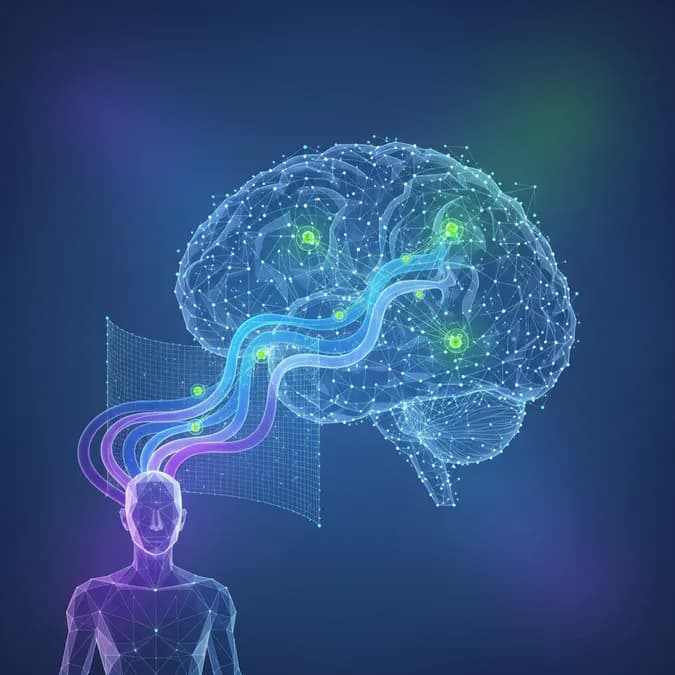
A groundbreaking study from Touro University has uncovered a fascinating mechanism by which exercise hormones can access the brain, potentially revolutionizing our understanding of exercise's neurological benefits. This discovery reveals that exercise hormones don't simply circulate through your bloodstream—they employ sophisticated molecular mechanisms to reach your brain and influence your cognitive and emotional state.
Table of Contents

- Hormone Transportation Breakthrough
- How Exercise Amplifies Hormone Transfer
- Understanding Extracellular Vesicles
- Scientific Implications of Exercise Hormones
- The Molecular Mechanism Behind Hormone Release
- Neurochemical Cascade Effects
- Exercise Types and Hormonal Response
- Frequently Asked Questions
- Key Takeaways
Hormone Transportation Breakthrough: How Exercise Hormones Cross the Blood-Brain Barrier
Researchers discovered that extracellular vesicles serve as molecular 'shuttles' for proopiomelanocortin (POMC) hormones, enabling these exercise hormones to cross the blood-brain barrier more efficiently than previously understood. These microscopic transport vehicles represent a significant advancement in comprehending how biochemical signals interact with our central nervous system.
The blood-brain barrier is one of the body's most selective gateke

How Exercise Amplifies Hormone Transfer: The Fourfold Increase
The study revealed a remarkable finding: vigorous exercise increases hormone transportation across the blood-brain barrier by approximately fourfold. This means that intense physical activity dramatically enhances the brain's ability to receive and process hormonal signals associated with stress response and potential 'runner's high' experiences.
When you engage in vigorous exercise, your body doesn't just burn calories—it initiates a cascade of hormonal changes. Exercise hormones flood your system, and thanks to this newly discovered mechanism, they reach your brain in significantly higher concentrations than during rest. This fourfold increase represents a substantial amplification of the brain's hormonal signaling capacity.
The implications are profound. During a single intense workout session, your brain receives approximately four times more exercise hormones than it would during sedentary periods. This explains why many people report immediate mood improvements, enhanced mental clarity, and reduced anxiety following exercise. The exercise hormones are literally reshaping your brain's neurochemical environment.
Understanding Extracellular Vesicles and Hormone Transport
Extracellular vesicles are tiny membrane-bound particles released by cells throughout your body. Think of them as biological delivery trucks, carrying cargo—in this case, exercise hormones—to their destinations. These vesicles are remarkably efficient at crossing biological barriers that would normally block larger molecules.
The POMC hormones that hitchhike on these vesicles include beta-endorphins and other neuropeptides known for their mood-enhancing and pain-relieving properties. By understanding how exercise hormones utilize extracellular vesicles, scientists have identified a previously unknown pathway through which physical activity influences brain function.
This discovery opens new avenues for research into how exercise hormones might be therapeutically harnessed. Rather than waiting for exercise to naturally trigger hormone release, future treatments might leverage this transport mechanism to deliver therapeutic compounds directly to the brain.
Potential Scientific Implications of Exercise Hormones Research
The discovery of how exercise hormones access the brain has far-reaching implications across multiple scientific disciplines:
Enhanced Understanding of Exercise's Neurological Mechanisms
This research fundamentally changes how scientists conceptualize exercise's effects on the brain. Rather than viewing exercise hormones as peripheral signals with indirect effects, researchers now recognize them as direct brain-modulating agents. This understanding could lead to more targeted exercise prescriptions for neurological conditions.
Potential Insights into Stress Management
Exercise hormones play a crucial role in stress response regulation. By understanding how these hormones reach the brain more efficiently during vigorous exercise, scientists can better explain why physical activity is such an effective stress management tool. The fourfold increase in hormone transportation during exercise may account for the rapid stress relief many people experience.
New Pathways for Investigating Brain-Body Interactions
The discovery of extracellular vesicle-mediated hormone transport opens entirely new research directions. Scientists can now investigate whether other hormones use similar mechanisms, and whether this pathway can be modulated for therapeutic purposes.
Implications for Mental Health Treatment
Depression, anxiety, and other mood disorders involve dysregulation of the very neurochemical systems that exercise hormones influence. Understanding how exercise hormones reach the brain could lead to novel therapeutic approaches that either enhance natural hormone transport or develop synthetic compounds that utilize similar mechanisms.
Applications in Neurodegenerative Disease Research
Conditions like Parkinson's disease and Alzheimer's disease involve progressive neurological decline. If exercise hormones can be more effectively delivered to the brain through this newly discovered mechanism, they might offer neuroprotective benefits in these conditions.
The Molecular Mechanism: How Exercise Triggers Hormone Release
When you exercise, your body responds to increased metabolic demands and physical stress by releasing multiple hormones. Adrenaline increases heart rate and blood pressure. Cortisol mobilizes energy stores. Growth hormone promotes muscle repair and recovery. But perhaps most importantly for brain function, exercise triggers the release of POMC-derived hormones including beta-endorphins.
These exercise hormones don't act randomly. They're released in response to specific physiological signals: increased body temperature, elevated lactate levels, and mechanical stress on muscles. The intensity and duration of exercise determine the magnitude of hormone release. Vigorous exercise produces substantially greater hormone release than moderate activity.
Once released, these exercise hormones face a challenge: reaching the brain. The blood-brain barrier normally prevents most large molecules from entering brain tissue. However, the Touro University research demonstrates that exercise hormones solve this problem by binding to or being packaged within extracellular vesicles. These vesicles can cross the blood-brain barrier through mechanisms that remain partially understood but are clearly more efficient during and after vigorous exercise.
The Neurochemical Cascade: What Happens When Exercise Hormones Reach Your Brain
When exercise hormones successfully cross the blood-brain barrier and reach brain tissue, they initiate a cascade of neurochemical changes. Beta-endorphins bind to opioid receptors throughout the brain, producing analgesia (pain relief) and euphoria. Other POMC-derived peptides influence appetite regulation, stress response, and mood.
These neurochemical changes explain the well-documented psychological benefits of exercise. The 'runner's high' isn't merely a metaphor—it's a real neurochemical state produced by exercise hormones reaching the brain. The fourfold increase in hormone transportation during vigorous exercise means that intense workouts produce substantially more pronounced neurochemical changes than light activity.
Beyond immediate mood effects, regular exercise that triggers robust exercise hormone release may produce lasting changes in brain structure and function. Chronic elevation of exercise hormones could enhance neuroplasticity, promote neurogenesis (the birth of new neurons), and strengthen neural connections involved in mood regulation and cognitive function.
Exercise Hormones and Different Types of Physical Activity
Not all exercise produces equal hormonal responses. The intensity, duration, and type of physical activity all influence how much exercise hormones your body releases and, consequently, how much reaches your brain.
Vigorous Aerobic Exercise
Running, cycling, swimming at high intensity—these activities produce the most substantial exercise hormone release. This explains why many people report the most pronounced mood improvements following intense cardio workouts. The fourfold increase in hormone transportation documented in the Touro University research likely applies most directly to this type of activity.
Resistance Training
Resistance training also triggers exercise hormone release, though the hormonal profile differs somewhat from aerobic exercise. Strength training produces substantial growth hormone and testosterone release, which influence brain function through different mechanisms than the POMC hormones emphasized in the recent research.
Moderate-Intensity Continuous Exercise
Moderate-intensity continuous exercise produces moderate exercise hormone release. While less dramatic than vigorous activity, regular moderate exercise still provides significant neurological benefits through cumulative hormonal signaling.
High-Intensity Interval Training
High-intensity interval training (HIIT) produces particularly robust exercise hormone responses due to the intense metabolic stress and rapid physiological changes. The repeated cycles of intense effort and recovery may optimize exercise hormone release and brain delivery.
Frequently Asked Questions About Exercise Hormones
How quickly do exercise hormones reach the brain after exercise begins?
Exercise hormones begin circulating within minutes of exercise initiation, but the fourfold increase in blood-brain barrier transport documented in the research likely develops progressively during sustained vigorous activity. Peak hormone concentrations typically occur during or shortly after intense exercise.
Do exercise hormones remain elevated after workouts end?
Yes, exercise hormones remain elevated for a period following exercise cessation, though levels gradually decline. The duration of elevation depends on exercise intensity and duration. Vigorous exercise can maintain elevated exercise hormone levels for 30 minutes to several hours post-workout.
Can exercise hormones be increased without vigorous exercise?
While vigorous exercise produces the most substantial exercise hormone release, other stimuli can trigger hormone release. Stress, cold exposure, and certain foods can influence hormone levels. However, the research specifically documents the fourfold increase in brain delivery during vigorous exercise, suggesting this activity is particularly effective.
Do exercise hormones affect brain function in people of all ages?
Exercise hormones influence brain function across the lifespan, though the magnitude of effects may vary with age. Older adults still experience exercise hormone release and associated neurological benefits, though baseline hormone levels may be somewhat lower than in younger individuals.
Can exercise hormones help treat neurological conditions?
The research suggests potential therapeutic applications, but clinical treatments haven't yet been developed based on this mechanism. Current evidence supports exercise as an effective intervention for depression, anxiety, and cognitive decline, likely mediated partly through exercise hormones. Future research may develop more targeted therapeutic approaches.
How does the blood-brain barrier normally function?
The blood-brain barrier is a highly selective membrane that allows essential nutrients to enter the brain while blocking potentially harmful substances. It's composed of tightly connected endothelial cells that form a physical barrier, combined with active transport mechanisms that selectively move specific molecules across. Most large molecules, including many hormones, cannot cross this barrier through passive diffusion.
Key Takeaways About Exercise Hormones and Brain Function
This groundbreaking research underscores the complex biochemical processes triggered by exercise, suggesting that physical activity does far more than simply burn calories—it fundamentally transforms how our brain receives and processes hormonal signals. Exercise hormones represent a direct communication pathway between your body and brain, enabling physical activity to influence mood, cognition, and stress resilience.
The discovery that exercise hormones hitchhike across the blood-brain barrier on extracellular vesicles, with a fourfold increase in transport during vigorous exercise, provides a mechanistic explanation for exercise's well-documented neurological benefits. This research validates what many people intuitively understand: intense physical activity produces profound changes in how you feel and think.
As research continues to elucidate the role of exercise hormones in brain function, we may develop new therapeutic approaches for neurological and psychiatric conditions. In the meantime, this research reinforces the importance of regular vigorous exercise for optimal brain health and psychological well-being.