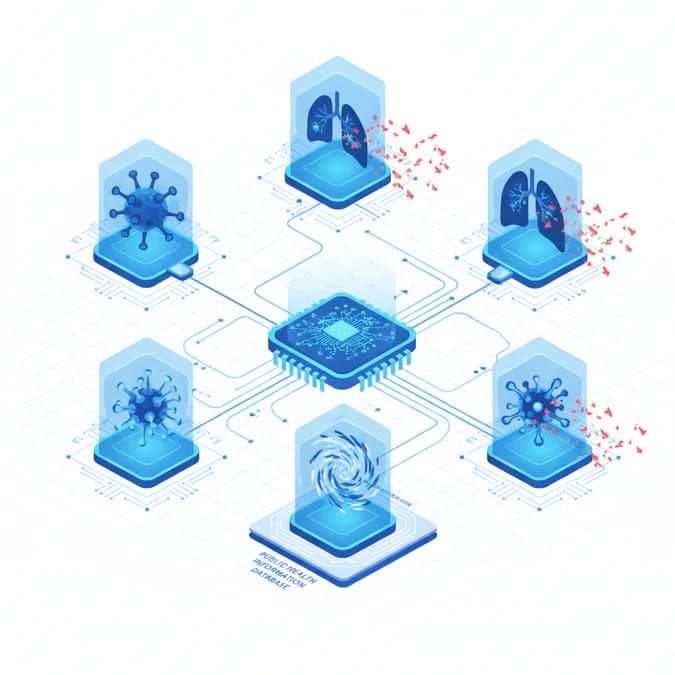
The convergence of several significant health threats demands immediate attention. Recent studies have highlighted alarming links between COVID-19 and increased risks of lung cancer and heart disease. Simultaneously, the United States is grappling with a substantial measles outbreak and a particularly deadly flu season, especially impacting children. Understanding these interconnected health threats is crucial for informed decision-making and proactive health management.
Overview of Current Health Concerns
The current health landscape presents a complex array of challenges. While the acute phase of the COVID-19 pandemic has subsided, emerging research reveals potential long-term health consequences, including increased risks of lung cancer and heart disease. Concurrently, the resurgence of measles, a highly contagious disease, poses a significant threat, particularly to unvaccinated populations. Adding to these concerns, an ongoing deadly flu season, with a disproportionate impact on children, underscores the importance of comprehensive public health strategies.
COVID-19 and Lung Cancer Risk: Recent Studies
Recent research has uncovered a concerning link between COVID-19 and an increased risk of lung cancer. A landmark March 2026 study from the University of Virginia School of Medicine revealed that severe COVID-19 infections can fundamentally alter immune cells in the lungs, creating a chronic inflammatory environment conducive to tumor development months or years after the initial infection [1].
Key Findings
- Increased Lung Cancer Incidence: Patients hospitalized for COVID-19 showed a 1.24-fold increase in lung cancer incidence, regardless of smoking status or other health conditions [1].
- Immune Cell Reprogramming: Severe COVID-19 or influenza infections reprogram immune cells in the lungs, creating a chronic inflammatory environment that facilitates tumor growth months or years later [1].
- Protective Benefits of Vaccination: Vaccination against COVID-19 and influenza appears to prevent the dangerous lung changes associated with increased cancer risk [1].
- Severity Matters: Mild COVID-19 infections showed a slight decrease in lung cancer risk, suggesting severity of infection is a key factor [1].
- Cellular Mechanisms: The increased lung cancer risk is mediated by changes to neutrophils, macrophages, and epithelial cells that line the lungs and air sacs [1].
Expert Insights
According to Jie Sun, a School of Medicine Researcher at the University of Virginia, "A bad case of COVID-19 or flu can leave the lungs in a long-lasting 'inflamed' state that makes it easier for cancer to take hold later. The encouraging news is that vaccination largely prevents those harmful changes for cancer growth in the lung" [3].
Dr. Jeffrey Sturek, a Physician-Scientist at the University of Virginia, emphasized the immediate implications of these findings: "These findings have important immediate implications for how we monitor patients after severe respiratory viral infection" [3].
Implications for Clinical Care
The University of Virginia research team suggests that individuals recovering from severe viral pneumonia, particularly those with a smoking history, may benefit from enhanced lung cancer surveillance. Preventing severe infection through vaccination may also confer indirect cancer protection benefits [1].
Long COVID and Heart Disease: Understanding the Link
Emerging research continues to establish a link between Long COVID and an increased risk of heart disease. While the exact mechanisms are still under investigation, studies suggest that the persistent inflammation and immune dysregulation associated with Long COVID can contribute to cardiovascular complications. This connection underscores the importance of monitoring cardiovascular health in individuals who have recovered from COVID-19.
Measles Outbreak in the US: Current Status and Prevention
As of April 13, 2026, measles cases in the US have surpassed 1,700 [KFF Health News Morning Briefing], representing a significant public health concern. Measles is a highly contagious viral disease that can lead to serious complications, including pneumonia, encephalitis, and even death. The resurgence of measles is primarily attributed to declining vaccination rates.
Prevention Strategies
- Vaccination: The measles, mumps, and rubella (MMR) vaccine is highly effective in preventing measles. The CDC recommends that all children receive two doses of the MMR vaccine, starting with the first dose at 12 through 15 months of age, and the second dose at 4 through 6 years of age. Adults who have not been vaccinated or are unsure of their vaccination status should also receive the MMR vaccine.
- Public Health Measures: Public health agencies are implementing measures to control the spread of measles, including contact tracing, isolation of infected individuals, and vaccination campaigns.
Deadly Flu Season: Impact on Children
The ongoing flu season has been particularly deadly, with 12 more child deaths reported [KFF Health News Morning Briefing]. Influenza can cause severe illness, especially in young children, the elderly, and individuals with underlying health conditions. Vaccination is the most effective way to prevent influenza and its complications.
Prevention Strategies
- Vaccination: The CDC recommends that everyone 6 months and older receive an annual flu vaccine.
- Hygiene Practices: Practicing good hygiene, such as frequent handwashing, covering coughs and sneezes, and avoiding close contact with sick individuals, can help prevent the spread of influenza.
- Antiviral Medications: Antiviral medications can be used to treat influenza and reduce the severity of symptoms, especially when started early in the course of the illness.
Public Health Recommendations
In light of these emerging health threats, the following public health recommendations are crucial:
- Vaccination: Ensure that you and your family are up-to-date on all recommended vaccinations, including those for COVID-19, measles, and influenza.
- Early Detection and Monitoring: Individuals recovering from severe respiratory viral infections, particularly those with a smoking history, should consider enhanced lung cancer surveillance.
- Cardiovascular Health Monitoring: Individuals who have recovered from COVID-19 should monitor their cardiovascular health and seek medical attention if they experience any concerning symptoms.
- Hygiene Practices: Continue to practice good hygiene, such as frequent handwashing and covering coughs and sneezes, to prevent the spread of respiratory illnesses.
- Stay Informed: Stay informed about the latest health recommendations and guidelines from public health authorities.
The convergence of these health threats underscores the importance of proactive health management and adherence to public health recommendations. By staying informed, getting vaccinated, and practicing good hygiene, individuals can protect themselves and their communities from these emerging health risks.
Key Takeaways
- COVID-19 is linked to increased risks of lung cancer and heart disease.
- Measles outbreaks are rising due to declining vaccination rates.
- The flu season poses significant risks, especially to children.
- Vaccination is crucial for preventing these health threats.
- Monitoring health after severe infections is essential.
Frequently Asked Questions
What are the main health threats currently facing the US?
The main health threats include COVID-19, lung cancer, measles outbreaks, and a deadly flu season, particularly affecting children.
How can I protect myself from these health threats?
Staying up-to-date on vaccinations, practicing good hygiene, and monitoring your health are key strategies for protection.
What should I do if I experience symptoms after recovering from COVID-19?
If you experience concerning symptoms, particularly related to cardiovascular health, seek medical attention promptly.
Sources
- Automated Pipeline
- University of Virginia Health System - COVID-19 and Lung Cancer Research
- Frontiers in Oncology - Biological Effects of COVID-19 on Lung Cancer
- The Independent - Severe Covid or Flu May Raise Lung Cancer Risk
- Science Daily - Severe COVID or Flu May Raise Lung Cancer Risk Years Later
- Source: youtube.com
- Source: neumarksurgery.com
- Source: webmd.com