
Table of Contents
- What Are Hormones?
- The Importance of Hormone Health
- Factors Affecting Hormonal Balance
- Signs of Hormonal Imbalance
- Strategies for Maintaining Hormone Health
- The Role of Supplements
- Conclusion
- Key Takeaways
- FAQ
What Are Hormones?
Hormones are chemical messengers produced by glands in the endocrine system. They travel through the bloodstream to tissues and organs, influencing numerous physiological processes. Key hormones include:
- Insulin: Regulates blood sugar levels.
- Estrogen: Plays a vital role in sexual and reproductive health.
- Testosterone: Important for muscle mass and libido.
- Cortisol: Known as the stress hormone, it helps manage stress responses.
The Importance of Hormone Health
Maintaining hormone health is vital for several reasons:
- Mood Regulation: Hormones significantly impact mental health. Imbalances can lead to mood swings, anxiety, and depression.
- Metabolism Control: Hormones like insulin and thyroid hormones regulate metabolism, affecting weight management and energy levels.
- Reproductive Health: Hormonal balance is crucial for fertility and sexual health in both men and women.
- Bone and Muscle Health: Hormones such as estrogen and testosterone are essential for maintaining bone density and muscle strength.
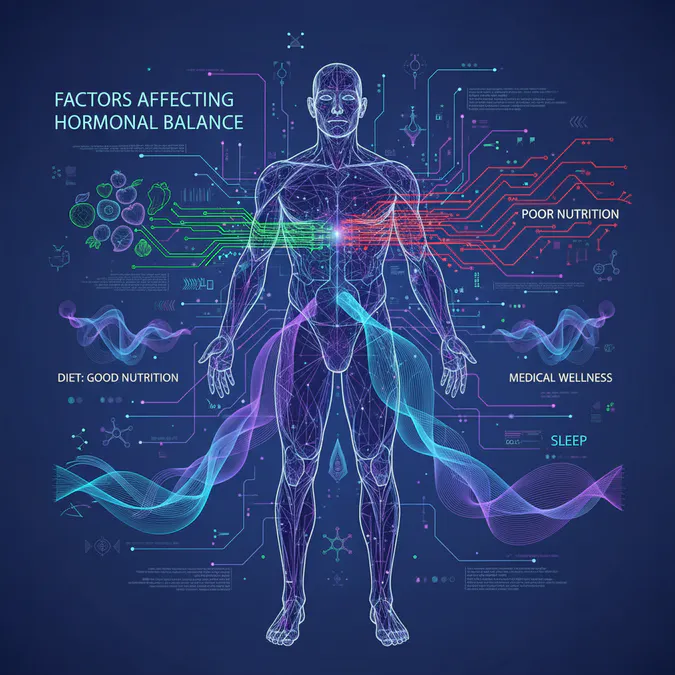
Factors Affecting Hormonal Balance
Several factors can disrupt hormonal balance, including:
- Diet: Poor nutrition can lead to hormonal imbalances. Diets high in processed foods and sugars can negatively affect insulin levels and overall hormone function.
- Stress: Chronic stress leads to elevated cortisol levels, which can disrupt other hormones and lead to various health issues.
- Sleep: Lack of sleep can affect hormone production, particularly those related to stress and appetite.
- Age: Hormonal changes are a natural part of aging, particularly during puberty, pregnancy, and menopause.
- Environmental Toxins: Exposure to endocrine disruptors found in plastics, pesticides, and personal care products can interfere with hormone function.
Signs of Hormonal Imbalance
Recognizing the signs of hormonal imbalance is crucial for early intervention. Common symptoms include:
- Irregular periods or missed cycles in women.
- Unexplained weight gain or loss.
- Fatigue or low energy levels.
- Mood swings or increased anxiety.
- Changes in libido.
- Difficulty sleeping.
Strategies for Maintaining Hormone Health
To promote hormonal balance, consider the following strategies:
1. Nutrition
- Eat a Balanced Diet: Focus on whole foods, including fruits, vegetables, lean proteins, and healthy fats. Foods rich in omega-3 fatty acids, such as salmon and walnuts, can support hormone production.
- Limit Sugar and Processed Foods: Reducing sugar intake can help stabilize insulin levels and prevent weight gain.
- Stay Hydrated: Adequate hydration is essential for optimal bodily functions, including hormone production.
2. Manage Stress
- Practice Mindfulness: Techniques such as meditation, yoga, and deep breathing can help reduce stress levels and lower cortisol production.
- Engage in Regular Exercise: Physical activity is a powerful stress reliever and can help balance hormones.
3. Prioritize Sleep
- Establish a Sleep Routine: Aim for 7-9 hours of quality sleep each night. Create a calming bedtime routine and keep a consistent sleep schedule.
- Limit Screen Time: Reduce exposure to screens before bed to improve sleep quality.
4. Regular Check-ups
- Consult Healthcare Professionals: Regular check-ups can help monitor hormone levels and identify any imbalances early on. Consider discussing symptoms with a healthcare provider for personalized advice.
The Role of Supplements
In some cases, dietary supplements may support hormone health. However, it’s essential to consult with a healthcare provider before starting any new supplements. Some commonly recommended supplements include:
- Vitamin D: Supports overall hormone health and immune function.
- Omega-3 Fatty Acids: Can help reduce inflammation and support hormonal balance.
- Magnesium: Plays a role in over 300 biochemical reactions in the body, including hormone production.
Conclusion
Hormone health is a vital aspect of overall well-being. By understanding the importance of hormones, recognizing signs of imbalance, and implementing effective strategies, individuals can take proactive steps toward maintaining optimal hormonal health. Prioritizing nutrition, managing stress, ensuring adequate sleep, and consulting healthcare professionals are essential components of this journey. Embrace these practices to unlock the secrets of hormone health and enhance your quality of life.
Key Takeaways
- Hormone health is essential for mood regulation, metabolism, and overall well-being.
- Recognizing signs of hormonal imbalance can lead to early intervention.
- Implementing effective strategies can help maintain hormonal balance.
FAQ
What are the common signs of hormonal imbalance?
Common signs include irregular periods, unexplained weight changes, fatigue, mood swings, and changes in libido.
How can I improve my hormone health?
Improving hormone health can be achieved through balanced nutrition, stress management, adequate sleep, and regular check-ups with healthcare professionals.
Are supplements necessary for hormone health?
While some supplements can support hormone health, it's important to consult with a healthcare provider before starting any new supplement regimen.
Research indicates that maintaining hormone health is essential for overall wellness. By following these strategies, you can enhance your hormone health and improve your quality of life.
For more information, consider visiting authoritative sources such as NCBI or WHO for credible insights on hormone health.