Essential Medical Technology Trends 2026: Complete Guide to Healthcare Innovation
Content Team
Discover the essential medical technology trends 2026 reshaping healthcare delivery. Explore AI diagnostics, personalized medicine, wearables, and emerging innovations transforming patient care and clinical workflows.
The healthcare landscape is undergoing a dramatic transformation as medical technology trends 2026 advance at an unprecedented pace. Eight major innovations are poised to reshape how physicians diagnose, treat, and monitor patients in the coming year. Understanding these essential medical technology trends is critical for healthcare professionals, administrators, and patients interested in the future of healthcare delivery and clinical outcomes. According to AMN Healthcare, these emerging technologies represent a fundamental shift in clinical practice and patient engagement.
Medical technology trends 2026 encompass a diverse range of innovations, from artificial intelligence and personalized medicine to wearable devices and data analytics. Each trend addresses specific challenges in modern healthcare while creating opportunities for improved patient outcomes and operational efficiency. The convergence of these technologies is creating a more responsive, intelligent, and patient-centered healthcare ecosystem.
Key Takeaways
AI-powered diagnostics are matching or exceeding radiologist accuracy in detecting abnormalities
Hyper-personalized medicine tailors treatments to individual genetics and lifestyle factors
Wearable technology enables continuous clinical-grade monitoring of vital parameters
Data-driven analytics optimize resource allocation and predict patient deteriorat
ion
Virtual assistants automate administrative tasks and improve patient engagement
These medical technology trends 2026 collectively improve patient outcomes and reduce healthcare costs
Integration of multiple technologies creates comprehensive, proactive care models
Advanced AI Integration in Diagnostics and Treatment
Artificial intelligence is revolutionizing medical diagnostics and treatment planning. AI systems are becoming increasingly sophisticated at analyzing medical imaging, identifying patterns that human eyes might miss, and recommending personalized treatment protocols. These technologies are enhancing diagnostic accuracy while reducing the time physicians spend on routine analytical tasks, allowing them to focus on patient care and complex decision-making.
Machine learning algorithms trained on millions of medical images can now detect subtle abnormalities in X-rays, CT scans, and MRI images with accuracy rates matching or exceeding experienced radiologists. This capability accelerates diagnosis and enables earlier intervention when treatment is most effective. According to research from the National Institutes of Health, AI diagnostic systems have demonstrated sensitivity rates exceeding 95% in detecting certain cancers, significantly improving early detection rates.
Beyond imaging analysis, AI systems are now generating treatment recommendations based on patient-specific factors. These algorithms analyze medical literature, clinical trial data, and patient outcomes to suggest the most effective therapeutic approaches. This evidence-based approach reduces variability in treatment quality and ensures patients receive interventions supported by the strongest clinical evidence.
Hyper-Personalized Medicine
One-size-fits-all medicine is becoming obsolete as medical technology trends 2026 emphasize individualized treatment approaches. Hyper-personalized medicine tailors treatment plans to individual patient genetics, lifestyle factors, and medical history. This approach enables more targeted interventions with better outcomes and fewer adverse effects. Patients benefit from treatments specifically designed for their unique biological profiles rather than broad population-based protocols.
Genetic testing, biomarker analysis, and advanced diagnostics allow physicians to understand exactly how a patient will respond to specific medications and therapies. This precision reduces trial-and-error treatment approaches and accelerates the path to optimal health outcomes. Pharmacogenomics—the study of how genes affect medication response—enables physicians to prescribe medications at doses optimized for individual patients, reducing adverse drug reactions by up to 30%.
Personalized medicine extends beyond pharmaceuticals to encompass lifestyle interventions, preventive strategies, and monitoring protocols customized to individual risk profiles. A patient with a genetic predisposition to cardiovascular disease receives different preventive recommendations than someone with low genetic risk, allowing for more efficient resource allocation and better health outcomes.
Data-Driven Transformation in Healthcare
Healthcare organizations are leveraging big data analytics to improve operational efficiency and clinical decision-making. Real-time data analysis helps identify trends, predict patient deterioration, and optimize resource allocation. This data-driven approach enhances both the quality of care and the financial sustainability of healthcare systems.
By analyzing patterns across thousands of patient records, healthcare systems can identify which interventions work best for specific populations and predict which patients are at highest risk for complications. This intelligence enables proactive rather than reactive care. Predictive analytics can identify patients likely to develop sepsis, heart failure, or other serious conditions hours or days before clinical symptoms become apparent, enabling early intervention.
Data integration from multiple sources—electronic health records, wearable devices, laboratory results, and imaging studies—creates a comprehensive view of patient health. Advanced analytics platforms process this information to generate actionable insights for clinicians. Healthcare systems implementing these data-driven approaches report 15-20% reductions in hospital readmissions and significant improvements in patient safety metrics.
Wearable Technology Expansion
Wearable devices are moving beyond fitness tracking into clinical-grade monitoring, representing a significant component of medical technology trends 2026. Advanced wearables now track heart rhythm, blood glucose, oxygen saturation, and other vital parameters continuously. These devices enable early detection of health issues and empower patients to actively participate in their own health management. The integration of wearable data into electronic health records creates a comprehensive picture of patient health.
Continuous monitoring through wearables allows physicians to detect arrhythmias, blood sugar fluctuations, and other abnormalities in real-time, enabling immediate intervention before serious complications develop. Patients gain unprecedented insight into their own health metrics and can make informed lifestyle adjustments. Smartwatches and specialized devices now detect atrial fibrillation with sensitivity rates exceeding 90%, potentially preventing strokes through early anticoagulation therapy.
Wearable technology extends to specialized devices for chronic disease management. Continuous glucose monitors help diabetes patients optimize insulin dosing and dietary choices. Implantable cardiac monitors detect dangerous arrhythmias in high-risk patients. Respiratory monitors track breathing patterns in patients with sleep apnea or COPD. This proliferation of wearable options enables truly personalized monitoring aligned with individual health conditions and risk factors.
AI-Powered Virtual Assistants
Intelligent virtual assistants are streamlining clinical workflows and improving patient engagement. These AI systems handle administrative tasks, answer patient questions, schedule appointments, and provide preliminary health assessments. By automating routine interactions, virtual assistants free up healthcare professionals to focus on complex patient care needs.
Virtual assistants available 24/7 provide patients with immediate responses to common health questions, reducing unnecessary emergency department visits and improving patient satisfaction. They also help healthcare staff by managing scheduling conflicts and reducing administrative overhead. Natural language processing enables these systems to understand patient concerns expressed in conversational language and provide appropriate guidance or escalate to human providers when necessary.
These systems also support clinical documentation by transcribing patient encounters and extracting relevant information for electronic health records. This reduces the administrative burden on physicians, allowing them to spend more time with patients and less time on documentation. Studies show that AI-assisted documentation can reduce physician documentation time by 30-40%, directly improving work-life balance and reducing burnout.
Improving Patient Outcomes and Clinical Workflows
The convergence of these technologies directly improves patient outcomes and streamlines healthcare workflows. Earlier detection, more accurate diagnoses, personalized treatments, and continuous monitoring create a healthcare ecosystem that prevents disease progression and optimizes recovery. Patients experience better health results and greater satisfaction with their care.
Medical professionals benefit from technology that reduces administrative burden and enhances clinical efficiency. AI-assisted documentation, automated scheduling, and intelligent triage systems allow physicians and nurses to spend more time with patients. This workflow optimization reduces burnout and improves job satisfaction among healthcare workers. Healthcare systems implementing comprehensive technology integration report 25-35% improvements in clinical productivity and significant reductions in physician burnout.
The patient experience improves through multiple mechanisms. Reduced wait times, more personalized care, better communication through virtual assistants, and improved health outcomes create higher satisfaction scores. Patients appreciate the ability to monitor their own health through wearables and receive proactive outreach from their healthcare providers based on predictive analytics.
Integration of Medical Technology Trends 2026
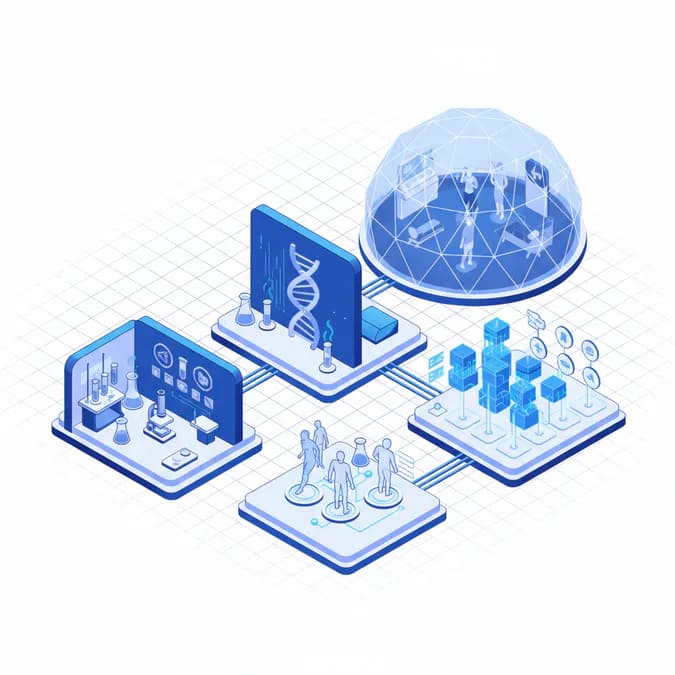
The true power of medical technology trends 2026 emerges when these innovations work together synergistically. AI diagnostics identify conditions earlier, personalized medicine tailors treatments to individual patients, wearables provide continuous monitoring data, and virtual assistants keep patients engaged. Data analytics tie everything together, identifying patterns and optimizing care delivery.
Consider a patient with newly diagnosed diabetes. AI-powered diagnostics confirm the diagnosis through advanced blood work analysis. Personalized medicine determines the optimal medication regimen based on the patient's genetics and comorbidities. A wearable continuous glucose monitor tracks blood sugar patterns in real-time. A virtual assistant provides dietary guidance and medication reminders. Data analytics predict the patient's risk for complications and alert the care team to intervene proactively. This integrated approach produces dramatically better outcomes than traditional siloed care.
Healthcare systems that successfully integrate these technologies report improved patient outcomes across multiple metrics: better glycemic control in diabetic patients, reduced hospitalizations for heart failure, improved medication adherence, and higher patient satisfaction scores. The investment in technology infrastructure pays dividends through improved health outcomes and operational efficiency.
The Future of Healthcare Delivery
These eight medical technology trends represent a fundamental shift in how healthcare is delivered. The integration of AI, personalization, data analytics, wearables, and virtual assistants creates a more responsive, efficient, and effective healthcare system. As these technologies mature and become more widely adopted, patients can expect improved access to care, better health outcomes, and more personalized treatment approaches.
Healthcare providers who embrace these innovations will be better positioned to deliver superior care in 2026 and beyond. Early adopters gain competitive advantages through improved patient outcomes, higher patient satisfaction, and better financial performance. The healthcare organizations that successfully implement these medical technology trends 2026 will lead their markets and set new standards for clinical excellence.
The transition to technology-enabled healthcare requires investment in infrastructure, staff training, and change management. However, the evidence overwhelmingly demonstrates that these investments produce returns through improved outcomes, reduced costs, and enhanced provider satisfaction. Healthcare leaders should view these medical technology trends 2026 not as optional enhancements but as essential components of modern healthcare delivery.
Frequently Asked Questions
How accurate is AI in medical diagnostics compared to human radiologists?
AI diagnostic systems have demonstrated accuracy rates matching or exceeding experienced radiologists in multiple studies. Machine learning algorithms trained on millions of medical images can detect subtle abnormalities in X-rays, CT scans, and MRI images with sensitivity rates often exceeding 95%. However, AI works best as a complementary tool rather than a replacement for human expertise, with radiologists reviewing AI-generated recommendations to ensure accuracy and catch edge cases.
What is hyper-personalized medicine and how does it differ from standard treatment?
Hyper-personalized medicine tailors treatment plans to individual patient genetics, lifestyle factors, medical history, and biomarkers rather than applying population-based protocols to everyone. This approach enables more targeted interventions with better outcomes and fewer adverse effects. For example, pharmacogenomics allows physicians to prescribe medications at doses optimized for individual patients based on how their genes affect drug metabolism, reducing adverse reactions by up to 30%.
Can wearable devices detect serious health conditions?
Yes, clinical-grade wearable devices can detect serious health conditions. Smartwatches detect atrial fibrillation with sensitivity rates exceeding 90%, potentially preventing strokes. Continuous glucose monitors help diabetes patients optimize insulin dosing. Implantable cardiac monitors detect dangerous arrhythmias. Respiratory monitors track breathing patterns in sleep apnea and COPD patients. These devices enable early detection and intervention before serious complications develop.
How do virtual assistants improve healthcare efficiency?
Virtual assistants automate administrative tasks, answer patient questions 24/7, schedule appointments, and provide preliminary health assessments. This reduces unnecessary emergency department visits, improves patient satisfaction, and frees healthcare professionals to focus on complex patient care. AI-assisted documentation reduces physician documentation time by 30-40%, directly improving work-life balance and reducing burnout.
What is the impact of data-driven healthcare on patient outcomes?
Data-driven analytics identify patterns across thousands of patient records to determine which interventions work best for specific populations and predict which patients are at highest risk for complications. Healthcare systems implementing these approaches report 15-20% reductions in hospital readmissions and significant improvements in patient safety metrics. Predictive analytics can identify patients likely to develop serious conditions hours or days before clinical symptoms appear, enabling early intervention.
How do these medical technology trends 2026 work together?
These technologies work synergistically to create comprehensive, proactive care. AI diagnostics identify conditions earlier, personalized medicine tailors treatments to individual patients, wearables provide continuous monitoring data, virtual assistants keep patients engaged, and data analytics optimize care delivery. This integrated approach produces dramatically better outcomes than traditional siloed care models.
Discover the essential insights about your resting heart rate and how it impacts your cardiovascular health. Learn when to consult a doctor and improve your heart rate.