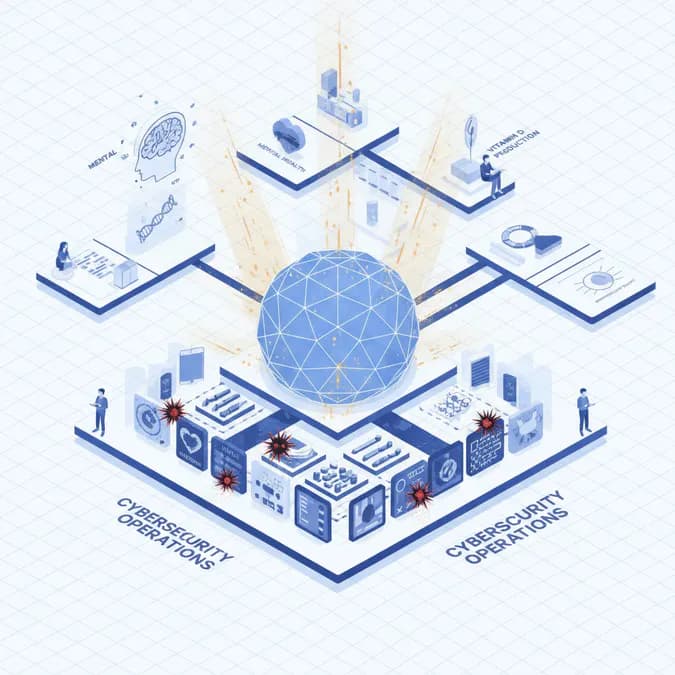
The Shift from Reactive to Proactive Security
Healthcare organizations are increasingly vulnerable to cyberattacks, making robust cybersecurity measures essential. The traditional reactive approach, which involves responding to security breaches after they occur, is no longer sufficient. A proactive cybersecurity strategy offers significant advantages in cost, speed, regulatory compliance, and, most importan

Cost Benefits of Predictive Cybersecurity
Predictive cybersecurity is more cost-effective than reactive security in the long run. While the initial investment in proactive measures may seem substantial, the financial impact of data breaches can be devastating. According to the IBM Security Healthcare Solutions, the average healthcare data breach costs a staggering $10.93 million [Source: IBM Cost of a Data Breach Report 2025]. This figure includes expenses related to incident response, legal fees, regulatory fines, and reputational damage. By proactively identifying and mitigating threats, healthcare organizations can significantly reduce their risk of experiencing costly breaches.
Speed and Response Time Advantages
One of the most significant advantages of proactive cybersecurity is the improved speed and efficiency of incident response. Reactive approaches often involve lengthy investigations to determine the scope and cause of a breach, leading to delays in containment and remediation. In contrast, proactive security measures enable organizations to detect and respond to threats much faster. According to Healthcare IT Security Industry Analysis, predictive cybersecurity reduces average incident response time by 60-70% compared to reactive approaches. This faster response time minimizes the impact of breaches and prevents further damage.
Regulatory Compliance and Standards
Healthcare organizations must comply with various regulations and standards, such as the Health Insurance Portability and Accountability Act (HIPAA), to protect patient data. The HHS Office for Civil Rights (OCR) enforces HIPAA and imposes significant penalties for non-compliance. Proactive cybersecurity measures can help healthcare organizations strengthen their regulatory standing by demonstrating a commitment to data protection. Updated HIPAA regulations now require healthcare organizations to demonstrate proactive security measures and predictive threat detection capabilities as part of compliance audits [Source: HHS Strengthens HIPAA Enforcement with Enhanced Breach Notification Requirements]. By implementing proactive security controls, organizations can better meet regulatory requirements and avoid costly fines.
Patient Safety Impact
Cybersecurity breaches in healthcare can have severe consequences for patient safety. When electronic health records (EHRs) are compromised, it can disrupt patient care, delay treatments, and even lead to medical errors. For example, ransomware attacks can encrypt critical systems, making it impossible for healthcare providers to access patient information or operate medical equipment. By proactively preventing security breaches, healthcare organizations can protect patient data and ensure the continuity of care. A proactive approach minimizes the risk of disruptions and safeguards patient well-being.
Five Steps to Implementation of Proactive Cybersecurity
Implementing proactive cybersecurity requires a strategic and systematic approach. Here are five essential steps that healthcare organizations should take:
- Conduct a Comprehensive Risk Assessment: Identify potential threats and vulnerabilities to prioritize security efforts.
- Implement Multi-Factor Authentication: Enable multi-factor authentication for all users to prevent unauthorized access. As a security expert notes, "Multi-factor authentication won't always stop hackers from penetrating your organization, but it will stop credential re-use issues and significantly increase the complexity of access paths."
- Provide Employee Training: Educate employees about cybersecurity threats and best practices to reduce human error. According to the 2023 Data Threat Report, 55% of healthcare breaches are attributed to human error, making employee training a critical component of proactive security.
- Deploy Threat Intelligence and Predictive Analytics: Utilize threat intelligence feeds and predictive analytics tools to identify emerging threats and vulnerabilities.
- Establish an Incident Response Plan: Develop and regularly test an incident response plan to ensure a swift and effective response to security breaches.
Challenges and Barriers to Adoption of Proactive Cybersecurity
Despite the clear benefits of proactive cybersecurity, healthcare organizations may face several challenges and barriers to adoption. These include:
- Limited Resources: Many healthcare organizations, especially smaller practices, have limited budgets and staff dedicated to cybersecurity.
- Lack of Expertise: Implementing and managing proactive security measures requires specialized knowledge and skills that may not be readily available within the organization.
- Resistance to Change: Some healthcare professionals may be resistant to adopting new security protocols, especially if they perceive them as burdensome or disruptive to their workflow.
- Legacy Systems: Older systems may not be compatible with modern security solutions, making it difficult to implement proactive measures.
Future of Predictive Security in Healthcare
The future of cybersecurity in healthcare is undoubtedly proactive and predictive. As cyber threats continue to evolve and become more sophisticated, healthcare organizations must embrace advanced technologies and strategies to stay ahead of the curve. This includes leveraging artificial intelligence (AI) and machine learning (ML) to automate threat detection and response, implementing zero-trust security models, and participating in threat intelligence sharing initiatives. Leading healthcare organizations have launched a collaborative threat intelligence platform to share indicators of compromise and emerging threats, enabling faster proactive detection across the sector. By embracing these advancements, healthcare organizations can build a more resilient and secure environment for patient data and ensure the delivery of high-quality care.
Key Takeaways
The shift from reactive to proactive cybersecurity is essential for protecting healthcare data and ensuring patient safety. Predictive cybersecurity offers significant advantages in cost, speed, regulatory compliance, and overall security posture. By implementing the five steps outlined in this article and addressing the challenges to adoption, healthcare organizations can build a more resilient and secure environment for the future.
Frequently Asked Questions
What is proactive cybersecurity?
Proactive cybersecurity involves implementing measures to prevent cyber threats before they occur, rather than just responding to breaches after they happen.
Why is proactive cybersecurity important in healthcare?
Proactive cybersecurity is crucial in healthcare to protect sensitive patient data, ensure compliance with regulations, and maintain patient safety.
What are the key steps to implement proactive cybersecurity?
The key steps include conducting risk assessments, implementing multi-factor authentication, providing employee training, deploying threat intelligence, and establishing incident response plans.
Sources
- Automated Pipeline
- Healthcare Cybersecurity Market Growth and Predictive Security Adoption Trends
- HIPAA Security Rule and Breach Notification Rule Updates 2026
- Source: healthtechmagazines.com
- Source: wrshealth.com
- Source: fieldeffect.com
- Source: ntst.com
- Source: healthit.gov
- Source: metricstream.com
- Source: westmonroe.com
- Source: himss.org