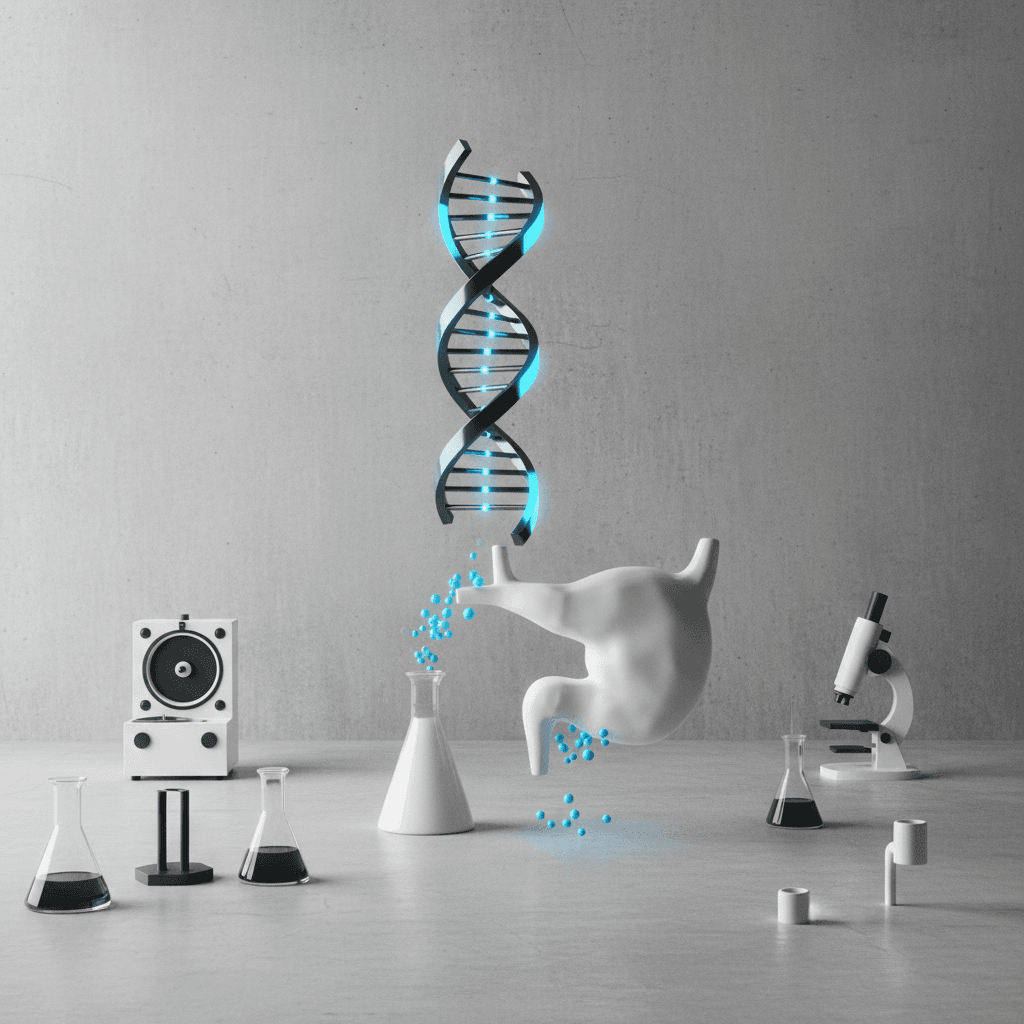
The development of recombinant DNA technology represents one of the most significant medical breakthroughs of the 20th century, fundamentally changing how we produce life-saving medications. At the heart of this revolution was a landmark research project that transformed insulin production and established the foundation for today's thriving biotechnology industry.
The Challenge of Traditional Insulin Production

Before the 1970s, people with diabetes relied entirely on insulin extracted from the pancreases of pigs and cattle. This animal-derived insulin, while life-saving, presented numerous challenges including limited supply, potential allergic reactions, and varying purity levels. The quest for a better solution would lead scientists down an unprecedented path.
NSF's Critical Role in Recombinant DNA Research
The National Science Foundation (NSF) played a pivotal role in supporting the fundamental research that made synthetic insulin possible. By funding basic science investigations into genetic engineering and molecular biology, the NSF enabled researchers to explore the revolutionary concept of using bacteria as living factories to produce human proteins.
The breakthrough came when scientists successful

Birth of the Biotechnology Industry
This achievement marked the birth of the modern biotechnology industry. In 1982, the first recombinant human insulin received FDA approval, becoming the first genetically engineered drug available to patients. The impact was immediate and profound. Diabetic patients now had access to a pure, consistent, and unlimited supply of insulin that was identical to what their own bodies would produce.
The advantages of recombinant insulin extended far beyond availability. Human insulin produced through biotechnology eliminated the religious and ethical concerns some patients had about using animal products. It also reduced allergic reactions and provided more predictable blood sugar control. Manufacturing could scale to meet global demand without depending on animal pancreas supplies from slaughterhouses.
Expanding Applications Beyond Insulin
The success of recombinant insulin opened floodgates for the biotechnology industry. The same techniques used to produce insulin were soon applied to create other therapeutic proteins, including growth hormones, clotting factors for hemophilia patients, and various vaccines. Companies dedicated to biotechnology emerged, attracting substantial investment and creating thousands of high-skilled jobs.
Economic and Medical Impact
Today, the biotechnology sector represents a cornerstone of the American economy, generating hundreds of billions in revenue annually. The industry continues to push boundaries, developing treatments for previously untreatable conditions, creating personalized medicines, and advancing gene therapies that can potentially cure genetic diseases.
The recombinant DNA insulin story demonstrates the critical importance of supporting fundamental scientific research. The NSF's investment in basic science, without immediate commercial applications in mind, ultimately yielded innovations that have saved millions of lives and created an entire industry. It exemplifies how public funding of research can generate returns that extend far beyond initial expectations.
Transforming Lives Through Innovation
For the millions of people living with diabetes worldwide, recombinant DNA technology has meant the difference between merely surviving and truly thriving. Modern insulin analogs, all descendants of that original breakthrough, offer improved convenience, better blood sugar control, and enhanced quality of life.
The legacy of this biotechnology revolution continues to unfold. As scientists build upon these foundational discoveries, we stand on the threshold of even more remarkable advances in medicine, from CRISPR gene editing to synthetic biology applications that could address global health challenges in ways we're only beginning to imagine.
Key Takeaways
- Recombinant DNA technology revolutionized insulin production, providing a reliable and ethical alternative to animal-derived insulin.
- The National Science Foundation played a crucial role in funding research that led to the development of synthetic insulin.
- The biotechnology industry has expanded significantly, creating new therapies and economic opportunities.
- Recombinant DNA insulin has improved the quality of life for millions of diabetes patients worldwide.
- Ongoing advancements in biotechnology promise to continue transforming healthcare.
Frequently Asked Questions (FAQ)
What is recombinant DNA technology?
Recombinant DNA technology involves combining DNA from different sources to create new genetic combinations that can produce desired proteins, such as insulin.
How did recombinant DNA change insulin production?
It allowed for the production of human insulin in bacteria, eliminating the need for animal sources and providing a consistent and pure supply of insulin for diabetes treatment.
What are the benefits of recombinant insulin?
Recombinant insulin is more consistent, reduces allergic reactions, and addresses ethical concerns associated with animal-derived insulin.
What impact has biotechnology had on the economy?
The biotechnology sector has become a major economic driver, generating significant revenue and creating high-skilled jobs while advancing medical treatments.
What future advancements can we expect from biotechnology?
Future advancements may include personalized medicine, gene therapies, and innovative treatments for various diseases, driven by ongoing research and development.