
Introduction to Bone Health and Aging
Maintaining bone health is a critical aspect of healthy aging. As we get older, our bones naturally lose density, increasing the risk of fractures and osteoporosis. However, adopting specific lifestyle habits can significantly promote bone strength and reduce the likelihood of developing these conditions. This article explores science-backed strategies to keep your bones strong as yo
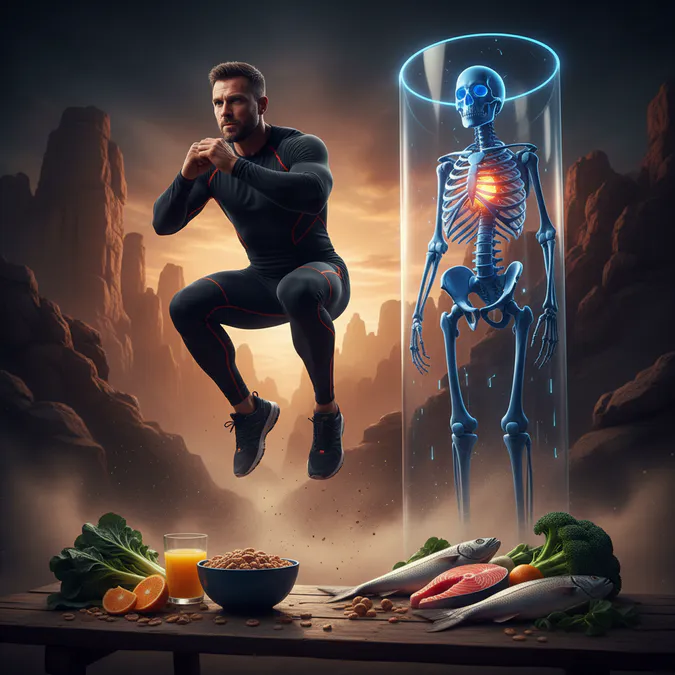
Peak bone mass is typically achieved around age 30, after which bone density naturally declines. This decline accelerates in women post-menopause due to a drop in estrogen levels and in both sexes due to factors like inactivity and poor nutrition. Osteoporosis, characterized by porous, sponge-like bones, affects over 200 million people worldwide and significantly increases the risk of fractures, particularly in the hips, spine, and wrists. These fractures can lead to pain, disability, and a loss of independence. Therefore, proactive measures to maintain bone health are essential for a better quality of life as you age.
Lifestyle Habits for Strong Bones
Several lifestyle adjustments can significantly impact bone health. These habits are crucial for maintaining bone density and preventing osteoporosis.
- Quit Smoking: Smoking accelerates bone resorption, weakening bones. Quitting smoking can help slow down this process.
- Moderate Alcohol Consumption: Excessive alcohol intake can also accelerate bone loss. Moderation is key to maintaining bone health.
- Maintain a Healthy Weight: Being underweight can increase the risk of bone loss, while maintaining a healthy weight supports overall bone health.
Preventing Osteoporosis Through Diet
A balanced diet rich in essential nutrients is fundamental for maintaining strong bones. Here are key dietary components to focus on:
- Calcium: Calcium is a primary building block of bone tissue. The recommended daily intake is 1,000 mg for adults aged 19-50 and men aged 51-70, and 1,200 mg for women aged 51 and older and men aged 71 and older. Good sources of calcium include dairy products, leafy green vegetables, and fortified foods.
- Vitamin D: Vitamin D is essential for calcium absorption. Deficiency is common in older adults and can weaken bones. Aim for 600-800 IU of vitamin D daily.
- Protein: Adequate protein intake supports bone formation and calcium absorption.
- Prunes: Eating 5-6 prunes daily can help preserve bone mineral density. A study published in The American Journal of Clinical Nutrition (via Harvard Health) found that daily prune consumption preserved hip bone density in postmenopausal women by reducing inflammatory bone breakdown.
According to Mayo Clinic, the average dietary calcium intake for people over 50 is often half of the recommended amount, highlighting the need for conscious dietary adjustments or supplementation.
Leslie Kernisan, MD MPH, a Geriatrician, notes that "Calcium seems to be more effective in improving bone strength and reducing fractures when taken in through diets rather than through supplements." This emphasizes the importance of a nutrient-rich diet for maintaining strong bones.
The Role of Exercise in Bone Health
Regular exercise, particularly weight-bearing and resistance exercises, plays a crucial role in maintaining bone density and preventing bone loss.
- Weight-Bearing Exercises: Activities like walking, stair climbing, and jogging help stimulate bone formation and slow bone loss.
- Resistance Training: Exercises using weights or resistance bands help strengthen muscles and bones.
- Balance and Strength Training: These exercises improve stability and help prevent falls, reducing the risk of fractures.
Dr. Bulger Beck, a Physician at Banner Health, emphasizes that "Weight-bearing and resistance exercises are proven to slow bone loss and reduce fracture risk. Balance and strength training also improve stability and help prevent falls." Engaging in these activities is essential for maintaining strong bones.
The NHS recommends that people over 65 engage in 150 minutes of moderate-intensity exercise weekly to maintain bone and muscle strength and prevent falls.
Supplements and Bone Density
While obtaining nutrients through diet is ideal, supplements can help fill nutritional gaps, especially for those at higher risk of deficiencies.
- Calcium Supplements: If dietary calcium intake is insufficient, supplements can help meet the recommended daily allowance.
- Vitamin D Supplements: Essential for those with limited sun exposure or diagnosed deficiencies.
Mayo Clinic notes that studies confirm combined calcium and low-dose vitamin D supplementation can reduce fracture risk and increase bone density, especially when combined with exercise.
Regular Bone Density Screenings
Regular bone density screenings are essential for monitoring bone health and detecting early signs of bone loss. These screenings are particularly important for women after menopause and older adults.
- DXA Scan: A dual-energy X-ray absorptiometry (DXA) scan is the standard test for measuring bone density.
- Consultation with Healthcare Provider: Discuss your bone health with your doctor, especially if you have risk factors for osteoporosis.
Conclusion: Maintaining Bone Health for a Better Quality of Life
Maintaining strong bones as you age is crucial for preventing osteoporosis and fractures, ultimately leading to a better quality of life. By adopting lifestyle habits that promote bone health, such as engaging in weight-bearing exercises, consuming a diet rich in calcium and vitamin D, and avoiding smoking and excessive alcohol consumption, you can significantly reduce your risk of bone-related issues. Regular bone density screenings and consultations with healthcare providers are also essential for monitoring and managing your bone health proactively. Taking these steps will help you maintain strong, healthy bones and enjoy an active, independent life as you age. Prioritizing bone health is an investment in your long-term well-being.
Key Takeaways
- Adopt lifestyle habits like quitting smoking and moderating alcohol intake.
- Ensure a balanced diet rich in calcium, vitamin D, and protein.
- Engage in regular weight-bearing and resistance exercises.
- Consider supplements if dietary intake is insufficient.
- Schedule regular bone density screenings to monitor health.
Frequently Asked Questions
What are the best exercises for strong bones?
Weight-bearing exercises such as walking, jogging, and resistance training are excellent for maintaining strong bones.
How much calcium do I need daily?
Adults aged 19-50 need 1,000 mg, while women over 50 and men over 70 should aim for 1,200 mg of calcium daily.
Can I get enough vitamin D from sunlight?
Yes, but factors like skin tone, location, and time of year can affect vitamin D synthesis from sunlight.
When should I get a bone density test?
Women should consider testing after menopause, and older adults should discuss screening with their healthcare provider.