
Understanding Summer's Impact on Blood Sugar

Summer brings with it a shift in our eating habits, and while many of the foods we reach for seem innocent and nutritious, summer blood sugar levels can spike unexpectedly. The combination of heat, seasonal availability, and cultural traditions creates a perfect storm for glucose elevation, even when we believe we're making healthy choices.
When temperatures soar, our bodies naturally crave cooling, refreshing foods and beverages. Cold drinks, freshly squeezed juices, sweet lassis, and traditional sherbets become staples of the season. The problem isn't necessarily the ingredients themselves—many are indeed natural and wholesome—but rather how they're prepared, combined, and consumed.
The primary culprit behind summer blood sugar elevation is the concentration of natural sugars in seasonal foods and drinks. A glass of fresh mango juice, for instance, contains the sugar equivalent of several whole mangoes without the fiber that would normally slow absorption. Similarly, traditional lassis, while made from yogurt and milk, often contain added sugar and lack the protein-to-carbohydrate balance needed to prevent rapid glucose spikes.
Why Natural Doesn't Always Mean Blood Sugar-Friendly
One of the biggest misconceptions about summer eating is that homemade and natural automatically means healthy for blood sugar management. A freshly made sherbet from fruit juice and sugar, even if made with organic ingredients, still delivers a concentrated dose of simple carbohydrates that your body processes rapidly.
When you consume whole fruit, the fiber content slows sugar absorp
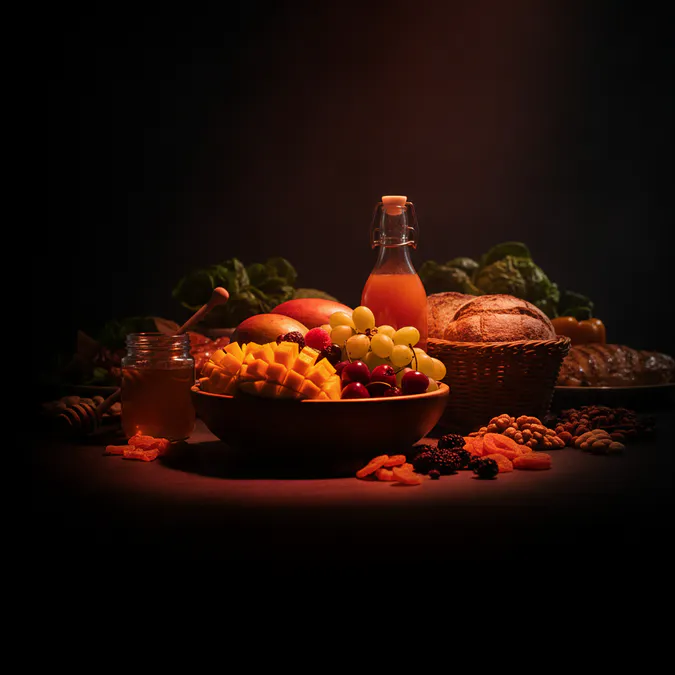
Additionally, summer eating often involves larger portions of these foods. A single mango might be a reasonable snack, but a large glass of mango juice consumed quickly represents a much larger sugar load delivered in a shorter timeframe.
The Role of Temperature and Hydration
Heat itself plays an interesting role in blood sugar management. When your body is hot, it becomes more insulin-resistant, meaning your cells don't respond as effectively to insulin signals. This means the same food that might cause a moderate blood sugar rise in winter could trigger a more significant spike in summer. Additionally, dehydration—common in hot weather—can concentrate blood glucose levels and impair your body's ability to regulate them effectively.
Smart Swaps for Summer Blood Sugar Management
The good news is that you don't have to abandon summer's refreshing foods entirely. Strategic swaps can help you enjoy the season while maintaining stable blood sugar levels.
Swap 1: Whole Fruit for Juice
Instead of fresh fruit juice, eat the whole fruit. A whole mango provides fiber, nutrients, and a slower glucose release compared to mango juice. If you prefer beverages, blend whole fruit with Greek yogurt and a handful of nuts to create a smoothie that combines carbohydrates with protein and fat—all of which slow sugar absorption.
Swap 2: Traditional Lassi for Protein-Rich Versions
Classic sweet lassi can contain 20-30 grams of sugar per serving. Instead, make lassi with plain yogurt, add a small amount of honey or dates for sweetness, and include a tablespoon of nuts or seeds. The protein in yogurt and the healthy fats in nuts help stabilize blood sugar. Alternatively, use Greek yogurt, which contains nearly double the protein of regular yogurt.
Swap 3: Sugar-Sweetened Sherbets for Infused Water
Traditional sherbets rely on sugar syrups for their sweetness and flavor. Replace them with infused water made by adding fresh mint, lemon, cucumber, or berries to cold water. These provide flavor and refreshment without the sugar spike. If you want something slightly sweeter, add a small amount of fresh lemon juice and a pinch of stevia or monk fruit sweetener.
Swap 4: Sugary Cold Drinks for Herbal Iced Teas
Cold sodas and commercial iced drinks are obvious culprits, but even seemingly healthy options like commercial iced teas often contain significant added sugars. Brew your own herbal teas—chamomile, hibiscus, or green tea—chill them, and serve with fresh lemon or lime. These provide flavor and even some antioxidant benefits without blood sugar disruption.
Swap 5: Fruit-Only Snacks for Balanced Combinations
If you're snacking on fruit, pair it with protein or healthy fat. Mango with a handful of almonds, watermelon with feta cheese, or berries with Greek yogurt all provide more stable blood sugar responses than fruit alone.
Swap 6: Processed Summer Snacks for Whole Food Alternatives
Summer often brings packaged snacks like granola bars, flavored yogurts, and trail mixes that seem healthy but contain hidden sugars. Make your own trail mix with nuts, seeds, and a small amount of unsweetened dried fruit. Prepare homemade popsicles using whole fruit and yogurt instead of buying commercial versions.
Timing and Portion Considerations
Beyond what you eat, when and how much you consume matters significantly. Eating sugary foods on an empty stomach causes the most dramatic blood sugar spikes. Instead, consume sweet summer treats as part of a balanced meal or snack that includes protein, healthy fats, and fiber.
Portion control becomes especially important in summer when we tend to eat more casually. A single serving of mango is about one cup; a single serving of juice is one small glass. Being mindful of portions helps prevent excessive sugar intake.
Hydration's Role in Blood Sugar Stability
Proper hydration is crucial for blood sugar management, especially in summer heat. Drink plenty of plain water throughout the day. Aim for at least 8-10 glasses daily, more if you're active or in very hot weather. Proper hydration helps your kidneys filter excess glucose and supports overall metabolic function.
Physical Activity and Summer Blood Sugar
Summer often provides opportunities for increased physical activity—swimming, hiking, outdoor sports. Regular movement helps your muscles utilize glucose more effectively, reducing blood sugar spikes. Even a 15-minute walk after meals can significantly improve glucose response.
Key Takeaways for Summer Blood Sugar Management
Maintaining stable blood sugar during summer requires awareness and intentional choices rather than complete dietary restriction. The key is understanding that natural and homemade don't automatically mean blood sugar-friendly, and that seasonal eating patterns can significantly impact glucose levels.
By making smart swaps—choosing whole fruits over juices, protein-rich lassis over sweet versions, and infused water over sugary drinks—you can enjoy summer's refreshing foods while protecting your metabolic health. Combining these dietary changes with proper hydration, portion awareness, and regular physical activity creates a comprehensive approach to summer blood sugar management.
Remember that individual responses to foods vary based on factors like insulin sensitivity, activity level, and overall health status. If you have diabetes or prediabetes, working with a healthcare provider or registered dietitian can help you create a personalized summer eating plan that works for your specific needs.
Frequently Asked Questions
What are some foods that spike blood sugar in summer?
Foods like fresh juices, sweet lassis, and sugar-laden sherbets can spike blood sugar levels due to their high sugar content and lack of fiber.
How can I manage my blood sugar during summer?
To manage blood sugar, opt for whole fruits instead of juices, choose protein-rich snacks, stay hydrated, and maintain portion control.
Why is hydration important for blood sugar control?
Proper hydration helps your kidneys filter excess glucose and supports overall metabolic function, which is crucial for maintaining stable blood sugar levels.
Table of Contents
- Understanding Summer's Impact on Blood Sugar
- Why Natural Doesn't Always Mean Blood Sugar-Friendly
- The Role of Temperature and Hydration
- Smart Swaps for Summer Blood Sugar Management
- Timing and Portion Considerations
- Hydration's Role in Blood Sugar Stability
- Physical Activity and Summer Blood Sugar
- Key Takeaways for Summer Blood Sugar Management
- Frequently Asked Questions