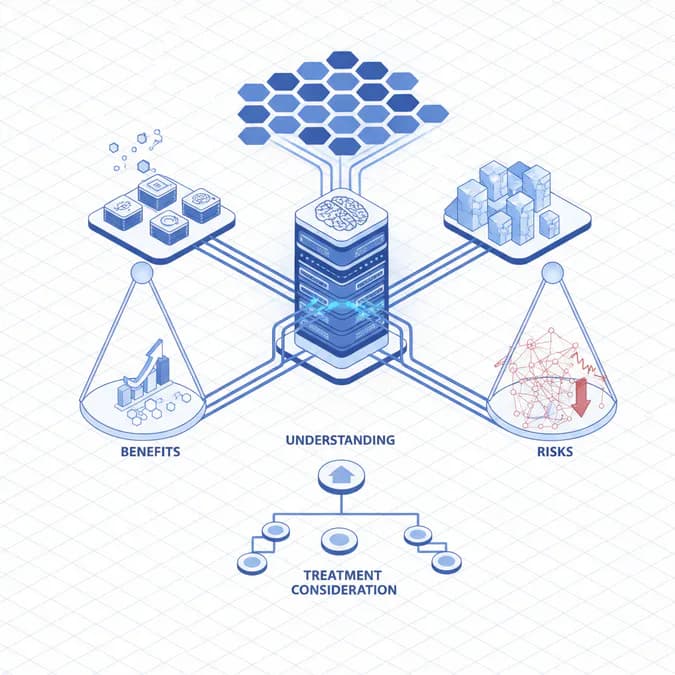
Understanding Testosterone and Its Functions
Testosterone is a key hormone produced primarily in the testes, playing a crucial role in male health. It is responsible for:
- Maintaining muscle mass and strength
- Regulating bone density
- Supporting red blood cell production
- Influencing sexual function and libido
Levels of testosterone peak in early adulthood and begin to decline gradually—by approximately 1% per year after the age of 30. This natural decline is part of a process known as andropause or age-related hypogonadism.
Why Testosterone Levels Drop
Several factors contribute to the decline in testosterone levels, including:
- Age: As mentioned, testosterone levels decrease with age.
- Health Conditions: Conditions such as obesity, diabetes, and chronic illnesses can negatively impact testosterone production.
- Medications: Certain medications, including opioids and steroids, may interfere with testosterone levels.
- Stress: Chronic stress can lead to hormonal imbalances, affecting testosterone production.
Signs and Symptoms of Low Testosterone
Clinically low testosterone, or hypogonadism, is diagnosed when testosterone levels fall below 300 ng/dL and are accompanied by symptoms such as:
- Fatigue
- Reduced libido
- Erectile dysfunction
- Depression or mood changes
- Loss of muscle mass
- Increased body fat
Recognizing these symptoms is crucial for timely diagnosis and treatment.
Diagnostic Criteria for Low Testosterone
Diagnosis of low testosterone involves a thorough evaluation, including:
- Two morning fasting tests confirming low total testosterone levels.
- Evaluation of free testosterone levels if binding proteins are altered.
- Assessment of symptoms consistent with testosterone deficiency.
It is essential to base treatment decisions on clinical diagnosis rather than solely on age-related decline.
When Testosterone Replacement Therapy Is Appropriate
Testosterone replacement therapy (TRT) is indicated for men who have:
- Consistently low serum testosterone levels (<300 ng/dL)
- Symptoms of testosterone deficiency
TRT is not recommended for men with normal testosterone levels or those experiencing age-related decline without symptoms.
Benefits of TRT
When appropriately prescribed, TRT can provide several benefits, including:
- Improved energy levels
- Enhanced mood and cognitive function
- Increased libido and sexual function
- Improved muscle mass and strength
- Better bone density
According to recent studies, TRT has shown a 96% success rate in restoring testosterone levels with new oral options like KYZATREX [Source: Vida Vital Medical].
Potential Risks and Side Effects
While TRT can be beneficial, it is not without risks. Potential side effects include:
- Prostate issues, including benign prostatic hyperplasia
- Erythrocytosis (increased red blood cell count)
- Infertility and reduced sperm production
It is crucial to have a thorough medical evaluation and ongoing monitoring when undergoing TRT to mitigate these risks.
Treatment Options and Delivery Methods
TRT can be administered through various methods, including:
- Injections: Testosterone cypionate or enanthate, typically dosed at 50-400 mg every 2-4 weeks.
- Gels: Applied daily to the skin, providing a steady release of testosterone.
- Patches: Worn on the skin, delivering testosterone throughout the day.
- Pellets: Implanted under the skin, releasing testosterone over several months.
- Oral options: New formulations like KYZATREX offer an effective oral delivery method without liver toxicity.
Each method has its advantages and disadvantages, and the choice should be made in consultation with a healthcare provider.
Monitoring and Follow-up Care
Regular monitoring is essential for men undergoing TRT. Initial follow-up should occur every 2-3 months, transitioning to annual evaluations once stable. Monitoring includes:
- Serum testosterone levels
- Hematocrit levels to check for erythrocytosis
- Prostate-specific antigen (PSA) levels
These evaluations help ensure the therapy is effective and safe.
Lifestyle Factors That Support Healthy Testosterone
In addition to medical treatment, certain lifestyle changes can help maintain healthy testosterone levels:
- Regular exercise, particularly strength training
- A balanced diet rich in healthy fats, proteins, and micronutrients
- Maintaining a healthy weight
- Managing stress through mindfulness and relaxation techniques
- Getting adequate sleep each night
Implementing these changes can complement TRT and promote overall well-being.
The Bottom Line
Testosterone levels naturally decline with age, but clinically low testosterone can significantly impact health and quality of life. Understanding the signs, symptoms, and appropriate treatment options is crucial for men experiencing these issues. Testosterone replacement therapy can provide substantial benefits, but it is essential to approach treatment under proper medical guidance to mitigate risks. Lifestyle factors also play a vital role in supporting healthy testosterone levels, emphasizing the importance of a holistic approach to men's health.
Sources
- Automated Pipeline
- Testosterone Therapy in Men With Hypogonadism: An Endocrine Society Clinical Practice Guideline
- The 2026 Levels Guide to Testosterone Replacement Therapy
- Testosterone Replacement Therapy for Men in 2026: Answers, Costs, Myths, and Your Next Steps
- Oscar Clinical Guideline: Testosterone Replacement Therapy (PG122, Ver. 6)
- CPCPLAB009 - Testosterone Policy