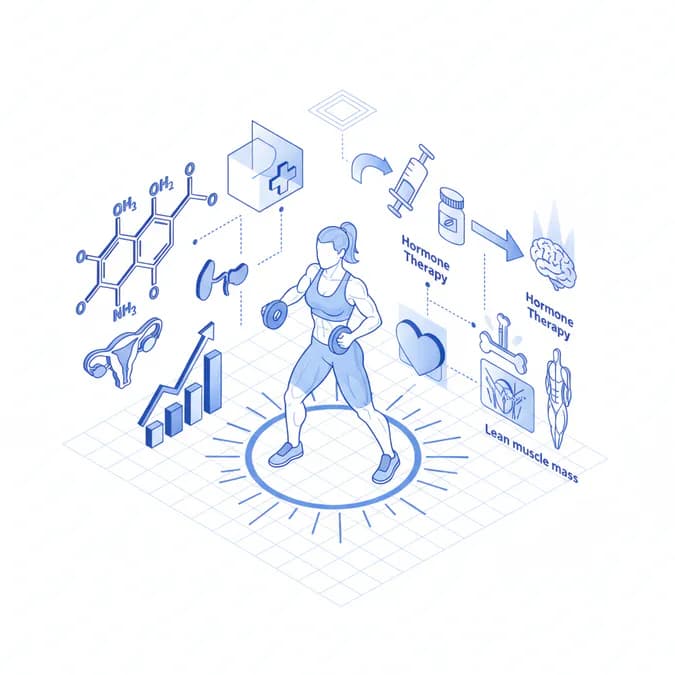
The Complex Landscape of Women's Hormonal Health
Women’s hormonal health is a complex landscape that requires a nuanced understanding of various hormones, including testosterone. Traditionally, testosterone has been viewed primarily as a male hormone, leading to misconceptions about its importance in women’s health. However, testosterone plays a critical role in female wellness, influencing libido, energy levels, mood, and even muscle mass. Recognizing the significance of testosterone can help challenge the traditional views that often overshadow women's hormonal health.
Many women experience symptoms related to hormonal imbalances, such as fatigue, mood swings, and reduced sexual desire. These symptoms can stem from various factors, including hormonal fluctuations during different life stages, such as perimenopause and menopause. By fostering a comprehensive understanding of hormone health, women can better navigate these changes and advocate for their health needs. Addressing misconceptions about testosterone and its role in female health is essential for empowering women to seek appropriate care and treatment options.
Testosterone in Women: Beyond Common Misconceptions
What is Testosterone's Function in Female Bodies?
Testosterone is a hormone that, while often associated with men, is also vital for women. Produced in smaller amounts by the ovaries and adrenal glands, testosterone contributes to various physiological functions in women. It plays a crucial role in maintaining libido, energy levels, mood stability, and overall well-being. Additionally, testosterone supports muscle mass and bone density, making it essential for physical health.
Normal Testosterone Levels for Women
Normal testosterone levels in women typically range from 15 to 70 ng/dL. However, levels can decline due to various factors, including aging, hormonal changes during menopause, and certain medical conditions. Low testosterone levels can lead to symptoms such as hypoactive sexual desire disorder (HSDD), fatigue, and irritability. Understanding what constitutes normal testosterone levels is crucial for women to recognize when they may need to seek medical advice regarding their hormonal health.
Women's Hormone Therapy: A Comprehensive Overview
When Might Women Need Testosterone Therapy?
Women may require testosterone therapy for several reasons, particularly when they experience symptoms associated with low testosterone levels. Conditions such as HSDD, fatigue, and mood disturbances can significantly impact a woman's quality of life. Testosterone therapy can be beneficial for women experiencing these symptoms, especially during perimenopause and menopause when hormonal fluctuations are prevalent.
Potential Benefits and Considerations
Testosterone therapy has been shown to improve various menopausal symptoms, including sexual dysfunction, anxiety, and exhaustion. Research indicates that studies utilizing the Menopause Rating Scale (MRS) have demonstrated significant improvements in these areas for women undergoing testosterone therapy. However, potential side effects must be considered, including acne, hair growth, and voice changes, particularly if testosterone levels exceed the female physiological range. Regular monitoring and blood tests are recommended to ensure levels remain within the appropriate range.
Despite the benefits, there is a notable gap in FDA-approved testosterone products specifically designed for women. Most available treatments are repurposed male formulations, which may not adequately address the unique hormonal needs of women. This highlights the importance of developing female-specific testosterone products that allow for precise dosing and tailored treatment options.
The Critical Need for Female-Specific Testosterone Research
Current Research Gaps
There is a significant gap in research focused on female-specific testosterone therapy. While testosterone's role in women's health is increasingly recognized, funding and resources dedicated to this area remain limited. Health experts advocate for more research to better understand the effects of testosterone therapy on women and to develop targeted treatments that address their unique hormonal needs.
Importance of Targeted Funding in Women's Health
Pharmac, New Zealand's pharmaceutical management agency, plays a pivotal role in determining which medications are funded and accessible to the public. By funding female-specific testosterone products, Pharmac could significantly enhance the quality of life for many women. This move would not only address the unmet needs of women requiring testosterone therapy but also improve the overall quality of care in women’s health. Targeted funding for research and development of female-specific hormone therapies is essential for advancing women's health and ensuring that women receive the care they deserve.
Integrating Hormone Health into Comprehensive Wellness
Lifestyle Factors Affecting Hormone Balance
Integrating hormone health into a comprehensive wellness approach involves recognizing the lifestyle factors that can impact hormonal balance. Diet, exercise, stress management, and sleep quality all play crucial roles in maintaining optimal hormone levels. For instance, regular physical activity can help regulate hormone levels and improve mood, while a balanced diet rich in nutrients can support hormonal health.
Nutrition and Hormone Health
Nutrition is particularly important for hormone health. Consuming a diet rich in healthy fats, lean proteins, and a variety of fruits and vegetables can provide the essential nutrients needed for hormone production and balance. Additionally, certain foods, such as those high in omega-3 fatty acids, can help reduce inflammation and support overall hormonal health. Holistic strategies that incorporate nutrition, exercise, and stress management can empower women to take control of their hormonal health and overall well-being.
Empowering Women Through Hormone Health Understanding
Taking Control of Your Hormonal Wellness
Empowering women to take control of their hormonal wellness involves fostering a personalized medical approach. Women should feel encouraged to discuss their symptoms and health concerns with their healthcare providers, advocating for appropriate testing and treatment options. Understanding one’s hormonal health is a crucial step in managing symptoms and improving quality of life.
Next Steps in Hormone Health
As awareness of women’s hormonal health continues to grow, it is essential for women to stay informed about their health options. Seeking out healthcare providers who specialize in hormone health can provide valuable insights and support. Additionally, staying updated on emerging research and treatment options can empower women to make informed decisions about their health. By taking proactive steps towards understanding and managing their hormonal health, women can enhance their overall well-being and quality of life.
In conclusion, understanding testosterone and its role in women's health is crucial for addressing the unique hormonal needs of women. By challenging misconceptions, advocating for female-specific research, and integrating hormone health into comprehensive wellness strategies, women can empower themselves to take control of their health and improve their quality of life.
Key Takeaways
- Testosterone is essential for women's health, influencing various aspects of well-being.
- Many women experience symptoms of low testosterone, especially during menopause.
- Testosterone therapy can alleviate symptoms but requires careful monitoring.
- Research and funding for female-specific testosterone treatments are critical.
- Lifestyle factors such as diet and exercise significantly affect hormonal balance.
Frequently Asked Questions
What are the symptoms of low testosterone in women?
Symptoms can include fatigue, mood swings, reduced libido, and irritability.
How is testosterone therapy administered?
Testosterone therapy may be administered through injections, patches, or gels, depending on individual needs.
Is testosterone therapy safe for women?
While testosterone therapy can be beneficial, it is essential to consult with a healthcare provider to discuss potential risks and benefits.