Is TRT Safe? Testosterone Replacement Therapy for Men Over 40

Updated
Top takeaways
- Testosterone replacement therapy raises testosterone levels but requires testing first — one morning result is not a diagnosis
- Men over 40 face specific trade-offs: TRT improves muscle mass, mood and sexual function but usually stops sperm production
- Monitoring hematocrit, PSA and estradiol is required by the FDA label, though clinic marketing often skips these details
- The choice between TRT and alternatives like enclomiphene depends on your LH level, fertility goals and willingness to monitor regularly
- Cardiovascular safety data from recent trials is reassuring for men without existing heart disease, but individual risk varies
Introduction
Is TRT safe? Testosterone replacement therapy restores testosterone levels in men with confirmed deficiency. For men over 40, the decision to start involves weighing benefits — improved energy, muscle mass, bone density and sexual function — against monitoring requirements and fertility trade-offs. The research shows meaningful improvements in these areas, but the trials also reveal what gets left out of clinic ads: the need for regular blood work, the risk of elevated hematocrit, and the fact that TRT usually shuts down your body's own testosterone and sperm production.
Before choosing between TRT and alternatives, you need two morning results and an LH level. Without them, nobody can tell you which option works for you. One trial might headline success in boosting energy, but a closer look shows it only involved overweight men with secondary hypogonadism — limiting the applicability of the results to a broader population. The FDA label for TRT medications includes specific monitoring requirements, such as hematocrit levels, which are not always highlighted in marketing materials. This gap between what the label says and what the ad says matters when you are deciding whether TRT fits your life.
The short answer: TRT is safe for most men over 40 when monitored correctly, but safe does not mean simple. It means testing first, understanding what you are trading, and knowing the monitoring schedule before you sign up. The rest of this guide walks through what the trials actually measured, what each treatment option costs you in money and fertility, and the common mistakes that turn a straightforward therapy into an expensive problem.
Explore the essential factors in testosterone replacement therapy for men over 40, including testing, options, and what to consider before starting.
What is Testosterone Replacement Therapy?
Testosterone replacement therapy (TRT) is a treatment for male hypogonadism — a condition where the testes produce insufficient testosterone. The FDA-approved indication is low testosterone confirmed by blood tests plus symptoms: low energy, reduced libido, loss of muscle mass, or mood changes. Is TRT safe? It delivers synthetic testosterone to bring serum levels into the normal range when prescribed appropriately.
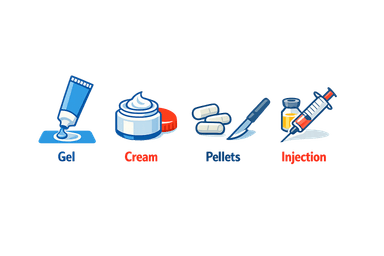
The therapy comes in several forms: injections (intramuscular or subcutaneous), topical gels and creams, transdermal patches, and subcutaneous pellet implants. Each method has trade-offs in cost, convenience, and how stable your testosterone levels stay between doses. Injections are typically the cheapest and most reliable for reaching target levels; gels and patches cost more but avoid the peak-and-trough pattern of weekly or biweekly shots.
How TRT Works
TRT replaces what your body no longer makes in sufficient quantity. It does not stimulate your own production — it shuts it down. When you introduce external testosterone, your pituitary gland detects the elevated serum level and stops releasing luteinizing hormone (LH) and follicle-stimulating hormone (FSH). Without LH, your testes stop making testosterone. Without FSH, sperm production usually drops or halts.
This is the central trade-off: TRT raises your testosterone reliably, but it suppresses fertility in most men. If preserving sperm production matters to you, alternatives like enclomiphene or hCG may be worth discussing with your doctor before starting TRT. You can read more about those options in our guide on Enclomiphene-First vs Injection-First Clinics: Which is Right for You?.
What TRT Does Not Do
TRT is not a performance enhancer for men with normal testosterone. It will not build muscle or improve energy if your levels are already in the normal range. It is not approved for age-related decline alone — the label requires documented hypogonadism. Clinics that advertise TRT for "optimization" or "anti-aging" without requiring two morning tests and a full hormone panel are operating outside the guideline.
The therapy also does not address the root cause of low testosterone. If your levels are low because of obesity, sleep apnea, or excessive alcohol use, TRT will raise the number but leave the underlying problem untreated. In those cases, weight loss, CPAP therapy, or cutting alcohol may restore normal production without medication.
Why Testosterone Replacement Therapy Matters for Men Over 40
Testosterone levels decline with age. That decline is normal, but for some men it crosses into hypogonadism — a clinical condition with low testosterone and symptoms that interfere with daily life. The problem is common and underdiagnosed. Many men live with fatigue, low libido, mood changes and loss of muscle mass without realizing those symptoms have a measurable hormonal component.
TRT is indicated when you have both a low testosterone level and symptoms of hypogonadism. The number alone does not make the diagnosis, and symptoms alone do not justify treatment. You need both, confirmed by two morning blood draws. Without that confirmation, you are treating a guess.
What TRT May Improve
The published trials show TRT may improve sexual function, mood, muscle mass, bone density and body composition in men with confirmed hypogonadism. Those benefits are documented in studies of men who met the diagnostic criteria — low testosterone and symptoms — not in men with normal levels who wanted optimization.
The effect size varies. Sexual function and libido tend to respond more consistently than mood or energy. Muscle mass improves when combined with resistance training, not from the medication alone. Bone density changes are measurable but take years to translate into fracture risk reduction. How long does TRT take to work? The timeline differs by symptom.
Why Age Matters
Men over 40 are more likely to develop late-onset hypogonadism as testosterone production declines naturally. Population aging means more men will meet the diagnostic criteria in the coming decades. That does not mean every man over 40 needs TRT. It means more men over 40 should test if they have symptoms.
The diagnosis requires low testosterone and symptoms — not age, not a clinic ad, not a single bad morning result.
The decision to start TRT is not reversible without consequence. Once you begin, your body's own production suppresses. Stopping therapy means waiting months for natural production to recover, and recovery is not guaranteed. For men over 40 considering fertility, that trade-off is permanent unless you switch to a fertility-preserving option like enclomiphene or hCG.
What We Don't Know Yet
Large-scale, long-term studies assessing the full benefit-risk profile of TRT in older men are still limited. Most trials run 6 to 12 months. Cardiovascular safety data has improved with recent trials, but concerns remain for men with existing heart disease. The evidence is better than it was a decade ago, but it is not complete.
Before starting, you need two morning testosterone results, a full hormone panel including LH and FSH, and a conversation with your doctor about what TRT does to fertility, monitoring requirements and cost. The therapy works for the right patient. The question is whether you are that patient.
How to Approach Testosterone Replacement Therapy
Before choosing a treatment, you need two morning results and a full panel. One low number is not a diagnosis. The American Urological Association guideline requires two separate morning testosterone measurements below 300 ng/dL before starting therapy. Labs drawn after 10 a.m., after a poor night of sleep, or during illness are unreliable.
The panel includes total testosterone, free testosterone, sex hormone-binding globulin (SHBG), luteinizing hormone (LH), follicle-stimulating hormone (FSH), estradiol, hematocrit, and prostate-specific antigen (PSA) if you are over 40. Without LH and FSH, nobody can tell you whether your pituitary is signaling correctly or whether a medication that works on the pituitary—like enclomiphene—will help you. Without baseline hematocrit and PSA, you cannot monitor the two risks that require regular tracking.
Test First, Test Twice
Schedule both tests between 7 and 10 a.m., at least one week apart. Fasting is not required for testosterone, but consistency matters. If the first result is low and the second is normal, you do not meet the threshold for replacement. If both are low, the next step depends on LH.
Low testosterone with low or normal LH suggests secondary hypogonadism—your pituitary is not signaling the testes. This is the population in which enclomiphene and clomiphene were studied, and it is the scenario in which those medications may raise your own production. Low testosterone with high LH suggests primary hypogonadism—your testes are not responding to the signal. In that case, enclomiphene will not help, and testosterone replacement is the direct option.
Choosing Between Treatment Options
Once you have two low results and a full panel, the choice comes down to mechanism, monitoring, cost, and fertility. Testosterone replacement shuts down your own production and usually stops sperm production within months. Enclomiphene, clomiphene, and human chorionic gonadotropin (hCG) work by stimulating your pituitary or testes, so they typically preserve fertility.
Testosterone replacement raises levels more reliably and predictably. The trials that compare TRT to placebo show consistent increases in total and free testosterone across formulations—injections, gels, and patches all work, though injections produce higher peaks and deeper troughs. Enclomiphene raises testosterone in men with secondary hypogonadism, but the effect is smaller and more variable. One trial in men with low testosterone and preserved sperm counts found that 12.5 mg and 25 mg daily raised total testosterone by an average of 200–300 ng/dL, but individual responses ranged widely.
For a detailed comparison of treatment pathways, see Enclomiphene-First vs Injection-First Clinics: Which is Right for You?.
What the Decision Looks Like
The choice is not about which treatment is "better." It is about which trade-offs fit your situation. Testosterone replacement requires weekly or twice-weekly injections (or daily gel), regular hematocrit and PSA monitoring, and acceptance that fertility will likely stop. It costs less than enclomiphene at most clinics—often $99 to $199 per month including medication and labs—and it works in both primary and secondary hypogonadism.
Enclomiphene requires daily pills, works only in secondary hypogonadism, costs more ($150 to $250 per month at telehealth clinics), and produces smaller, less predictable increases in testosterone. It preserves fertility in most men, requires less frequent monitoring, and does not carry the hematocrit risk that comes with exogenous testosterone. Enclomiphene cost varies by clinic and includes the medication plus monitoring.
If you have secondary hypogonadism, low baseline hematocrit, and fertility is important, enclomiphene is worth trying first. If you have primary hypogonadism, high hematocrit, or you want the largest and most reliable increase in testosterone, replacement is the direct path. If you are unsure, ask your doctor for the LH result and the hematocrit before choosing.
Clinicians should monitor men receiving testosterone replacement therapy for symptom improvement, potential adverse effects, and adherence.
What to Ask Before You Sign Up
Telehealth clinics vary in how they test, prescribe, and monitor. Before you pay, ask whether the clinic requires two morning results, whether they measure LH and FSH, and whether they will adjust treatment based on those results. Ask what the monitoring schedule includes—hematocrit and PSA should be checked at baseline and at least annually if you are over 40. Ask whether the membership fee includes labs or whether labs are billed separately. Ask whether the clinic uses FDA-approved testosterone or compounded formulations, and ask the same question about enclomiphene.
Compounded medications are not FDA-approved. They are legal when prescribed by a licensed provider, but they are not subject to the same manufacturing standards, and insurance does not cover them. Enclomiphene is available only as a compounded medication in the U.S.—there is no FDA-approved product. Testosterone is available as FDA-approved injections, gels, and patches, and also as compounded injections that cost less. The label for FDA-approved testosterone includes specific monitoring requirements; compounded versions do not carry an FDA label.
Best Practices for Monitoring and Managing Therapy
Once you start testosterone replacement therapy, the monitoring protocol matters as much as the prescription. The FDA label for TRT medications includes specific monitoring requirements — hematocrit levels, PSA, and testosterone levels — that are not always highlighted in clinic marketing materials. Clinics that skip or delay these tests put you at risk for preventable complications.
Test Before You Adjust
Serum testosterone, hematocrit, and prostate-specific antigen levels should be measured at baseline and at least annually in men 40 years or older receiving testosterone replacement therapy. That is the minimum. Many clinicians test testosterone and hematocrit at 3 to 6 months after starting therapy, then annually if stable. If your clinic does not order these tests on that schedule, ask why.
Hematocrit rises in most men on TRT. When it climbs above 54%, the risk of blood clots and stroke increases. Some men need a dose reduction; others need therapeutic phlebotomy (blood donation). You cannot feel hematocrit rising, so you need the lab result.
Monitor Symptoms, Not Just Numbers
Clinicians should monitor men receiving testosterone replacement therapy for symptom improvement, potential adverse effects, and adherence. That means tracking what you came in for: energy, mood, libido, muscle mass, or cognition. If the number normalizes but the symptom does not improve after 6 months, TRT may not be the right treatment for that symptom.
Adverse effects to watch for include sleep apnea worsening, ankle swelling, breast tenderness, acne, and mood changes. Some men develop irritability or anxiety on TRT; others feel calmer. Report what you notice, not what you think you should feel.
Adherence and Consistency
Injection schedules vary. Testosterone enanthate and cypionate are typically dosed weekly or every two weeks. Testosterone enanthate vs cypionate differences are minimal in practice, but consistency matters more than the ester. Missing doses or stretching intervals creates peaks and troughs that make symptom tracking unreliable.
If you are on daily gel or twice-daily oral testosterone, apply it at the same time each day. Variable absorption is common with gels; if your levels are inconsistent despite good adherence, switching to injections may produce more stable results.
The number that matters is not the peak after your injection — it is the trough before your next dose.
What Your Clinic Should Track
A complete monitoring protocol includes:
- Total and free testosterone — tested at trough (before your next dose) to confirm levels stay in the target range
- Hematocrit — at 3 to 6 months, then annually, to catch rising red blood cell counts early
- PSA — at baseline and annually in men 40 or older, to screen for prostate changes
- Estradiol — optional but useful if you develop breast tenderness, mood swings, or water retention
- Liver function tests — if you are on oral testosterone (rare with modern formulations)
Some telehealth clinics bundle labs into the subscription; others charge separately. Ask before you sign up what the monitoring costs you in money and time.
When to Reassess or Stop
If symptoms do not improve after 6 months on stable therapeutic levels, TRT is not the answer for those symptoms. If adverse effects outweigh benefits, stopping is reasonable. If your hematocrit stays elevated despite dose reduction and phlebotomy, continuing TRT may not be safe.
Before stopping, taper under supervision. Abrupt discontinuation can cause a temporary crash in energy and mood while your own production restarts — if it restarts. Some men do not recover baseline production after long-term TRT, which is why fertility preservation and realistic expectations matter before you start.
Common Mistakes to Avoid with Testosterone Replacement Therapy
Most men who start TRT make at least one avoidable mistake in the first six months. The errors cluster around testing, monitoring and reading what the clinic doesn't say. Here is what goes wrong most often.
Starting Without Two Morning Results
One morning result is not a diagnosis. Testosterone levels swing day to day, and a single low number can reflect poor sleep, a hard training week or a bad night. The guideline standard is two separate morning draws, taken between 7 and 11 AM, at least a week apart. If your clinic skipped the second test, you don't know your actual baseline.
Ignoring What the Fine Print Doesn't Mention
Online TRT information is incomplete, often failing to describe important safety information and the need for regular monitoring. The clinic ad leads with energy and libido. The FDA label for the drug lists hematocrit checks every three to six months, PSA at baseline and periodically after, and estradiol if gynecomastia or mood changes appear. If your provider's membership does not include those labs, you are paying for the drug but not the monitoring that makes it safe.
Before you sign up, ask what labs are included in the monthly price and what you pay out of pocket. If the answer is vague, the monitoring is probably thin.
Treating the Number Instead of the Symptom
Some men chase a total testosterone number they read in a forum or saw in a podcast clip. The target that matters is symptom relief at a level that keeps hematocrit, PSA and estradiol in range. If you feel better at 600 ng/dL than you did at 300 ng/dL, and your monitoring labs are stable, that is your target. Pushing higher to match someone else's number increases cost, monitoring frequency and the risk of side effects without evidence that it improves how you feel.
Overlooking Fertility Before You Start
TRT suppresses sperm production in most men. If you might want children in the next few years, test your fertility before you start, and ask your doctor whether enclomiphene, clomiphene or hCG fits your situation better. Those options raise testosterone by stimulating your own production and usually preserve sperm counts. TRT does not. Adding hCG to TRT later sometimes restores fertility, but not always, and it adds cost and complexity.
For a comparison of how these options differ in mechanism and trade-offs, see Enclomiphene-First vs Injection-First Clinics: Which is Right for You?.
Stopping Abruptly Without a Plan
When you stop TRT, your body's own testosterone production is suppressed and takes weeks to months to recover. Stopping cold without a taper or a restart protocol leaves you with low testosterone from both directions: the drug is gone and your own production is not back yet. Some men feel worse during that window than they did before they started. If you decide to stop, work with your doctor on a plan that includes follow-up labs and, if needed, medications to help your natural production recover.
Frequently asked questions
Is TRT safe for men over 40?
TRT is approved for men with low testosterone caused by specific medical conditions — genetic disorders, chemotherapy, or testicular damage from infection. The FDA has not established benefit and safety for men whose only reason for low testosterone is age. Heart attacks and strokes have been reported with testosterone treatment.
The TRAVERSE trial, published in 2023, provided the first adequately powered, placebo-controlled data on cardiovascular risk in older men with hypogonadism. Before that, the question was debated for over a decade on underpowered trials and conflicting observational data. The short answer: safety depends on your diagnosis, your cardiovascular baseline, and whether you accept monitoring requirements.
What symptoms qualify someone for TRT?
You need both a low testosterone level and symptoms of hypogonadism. The condition is common but often underdiagnosed and undertreated. Symptoms include fatigue, low libido, erectile dysfunction, loss of muscle mass, and mood changes. A single morning result is not a diagnosis — you need two morning results and a full panel including LH and FSH to distinguish primary from secondary hypogonadism.
How do I know if my testosterone is actually low?
Test first, test twice. Total testosterone below 300 ng/dL on two separate mornings, taken before 10 a.m., is the usual threshold. Free testosterone and SHBG tell you how much is bioavailable. LH and FSH tell you whether the problem is in the testes (primary) or the pituitary (secondary). One result alone does not support a prescription.
What are the main risks of TRT?
The FDA label includes cardiovascular events — heart attacks and strokes have been reported. Other monitored risks: elevated hematocrit (thickened blood), worsening sleep apnea, prostate growth (though not proven to cause cancer), acne, and suppressed sperm production. Most men on TRT become infertile while on treatment. If fertility matters, ask your doctor for enclomiphene or hCG instead.
Does TRT require ongoing monitoring?
Yes. The FDA label specifies hematocrit checks, PSA monitoring in men over 40, and periodic testosterone levels to keep you in range. Clinics that skip these are not following the manufacturer approval. Monitoring costs money and requires lab visits every three to six months in the first year, then annually. Nobody selling it will tell you this upfront.
Can I stop TRT once I start?
You can stop, but your body's own production may not recover immediately — or at all, if you stay on for years. Stopping abruptly can leave you with lower testosterone than before you started until your pituitary-testicular axis restarts. Some men taper; some use hCG or clomiphene to restart production. Discuss an exit plan with your doctor before you sign up.
How does TRT compare to enclomiphene or hCG?
TRT raises testosterone more reliably and usually suppresses sperm production. Enclomiphene and hCG raise your own testosterone and usually preserve fertility. The trade-off: enclomiphene and hCG are less predictable, require more frequent monitoring, and cost more per month at most clinics. For a detailed comparison of clinic models, see Enclomiphene-First vs Injection-First Clinics: Which is Right for You?.
What does TRT cost?
Generic testosterone cypionate or enanthate costs $30–$80 per month if you pay cash at a pharmacy. Telehealth clinics charge $99–$200 per month and include the medication, but not always the monitoring labs. Labs run $50–$150 per visit if you pay out of pocket. Add it up over a year before you commit.
Is compounded TRT safe?
Compounded testosterone is not FDA-approved. It comes from a compounding pharmacy, not a manufacturer with an approved label. The dose, sterility, and consistency depend on that pharmacy's practices. Some clinics prefer compounded because it allows custom doses or combinations (like testosterone plus hCG in one vial). You are trading regulatory oversight for flexibility. Ask what the pharmacy is, whether it is 503A or 503B, and whether your state board has cited it.
What should I ask a telehealth clinic before signing up?
Ask: What labs do you require before prescribing? How often do you retest? What happens if my hematocrit goes above 54%? Do you prescribe compounded or FDA-approved medication? What is the total monthly cost including labs? Can I see the lab order and results myself? Do you offer enclomiphene or hCG, and at what price? Worth knowing before you sign up: if they do not answer these in writing, find a different clinic.
Conclusion
Testosterone replacement therapy is not a simple yes-or-no question. It starts with two morning tests, a full panel that includes LH and free testosterone, and a clear understanding of what you are trading. The short-term safety data shows TRT does not increase all-cause mortality, cardiovascular mortality, stroke, or myocardial infarction in men aged 40 and above with low to low-normal testosterone. It does increase the incidence of cardiac arrhythmias, and it usually suppresses sperm production. Those are the numbers from the trials, not the marketing.
Before you sign up with a clinic, ask what they monitor, how often, and what it costs you in money and fertility. Ask whether they will test LH before prescribing, whether they offer enclomiphene or hCG as alternatives, and whether their protocol matches the FDA label or deviates from it. The cheapest monthly price is not the number that matters if it leaves out lab work, follow-up visits, or the cost of preserving fertility. Read the full panel, not just total testosterone. One morning result is not a diagnosis.
For those over 40 considering TRT, it is essential to weigh these factors and consult with healthcare professionals who can interpret the details in the context of individual health needs. The regulatory landscape matters: the FDA label for TRT medications includes specific monitoring requirements, such as hematocrit levels, which are not always highlighted in clinic marketing materials. Understanding these requirements prevents misunderstandings about safety and monitoring. If you are evaluating enclomiphene-first versus injection-first clinics, the choice depends on your baseline LH, your fertility goals, and your tolerance for monitoring frequency.
The evidence supports informed decisions, not blanket recommendations. Test first, test twice, and know what you are optimizing for before you start.
Sources(29)
- Andrology (2025)
- European journal of endocrinology (2024)
- International journal of pharmaceutical compounding (2015)
- Journal of Clinical Endocrinology & Metabolism — Testosterone Therapy in Men With Hypogonadism: An Endocrine Society Clinical Practice Guideline (2018)
- The lancet. Healthy longevity (2023)
- Annals of internal medicine (2020)
- European journal of endocrinology (2011)
- The aging male : the official journal of the International Society for the Study of the Aging Male (2009)
- The journal of sexual medicine (2025)
- Current opinion in endocrinology, diabetes, and obesity (2014)
- Translational andrology and urology (2020)
- Arthroscopy : the journal of arthroscopic & related surgery : official publication of the Arthroscopy Association of North America and the International Arthroscopy Association (2024)
- The aging male : the official journal of the International Society for the Study of the Aging Male (2015)
- European journal of endocrinology (2022)
- The Journal of urology (2020)
- The Journal of clinical endocrinology and metabolism (2026)
- American family physician (2024)
- U.S. Food and Drug Administration — Drug Safety Communication: FDA cautions about using testosterone products for low testosterone due to aging; requires labeling change to inform of possible increased risk of heart attack and stroke with use (2015)
- International journal of general medicine (2022)
- American Urological Association — Evaluation and Management of Testosterone Deficiency (AUA Guideline) (2018)
- Public health reports (Washington, D.C. : 1974) (2015)
- The Cochrane database of systematic reviews (2024)
- Health technology assessment (Winchester, England) (2024)
- The Journal of clinical endocrinology and metabolism (2023)
- The journal of sexual medicine (2022)
- Oncoscience (2025)
- Journal of endocrinological investigation (2005)
- Therapeutic advances in urology (2022)
- The journal of sexual medicine (2021)