Low Testosterone Treatment: Starting TRT - Complete Guide

Updated
Top takeaways
- Testosterone replacement therapy (TRT) is a medical treatment for male hypogonadism, a condition where the body produces insufficient testosterone
- TRT comes in multiple forms including gels, injections, patches and pellets — each with different costs, monitoring requirements and trade-offs
- Starting TRT requires two morning testosterone tests, a full hormone panel including LH and SHBG, and understanding what you gain and what you give up
- This guide walks through diagnosis, treatment options, monitoring requirements and common mistakes that waste money or delay results
- The goal is to help you test correctly, ask the right questions and choose a treatment that fits your body and your life
Explore the complete guide to low testosterone treatment, covering steps to start TRT and optimize your results.
Introduction to Low Testosterone Treatment
Starting TRT is a medical decision that requires two morning testosterone tests, a complete hormone panel, and understanding what you gain and what you give up. Testosterone replacement therapy addresses male hypogonadism — a condition where the body produces insufficient testosterone — but it is not the only option, and it is not reversible without planning.
Before you start, you need the right tests. One morning result is not a diagnosis. The Endocrine Society guideline requires two separate morning measurements of total testosterone, and a normal total testosterone level does not rule out a problem when SHBG is high. Free testosterone, LH, FSH and other markers tell you whether your body stopped making testosterone on its own or whether something else is binding it up. Without that full picture, you cannot tell which treatment fits you.
TRT is not the only option. Clomiphene and enclomiphene work by raising your own production instead of replacing it, and they usually preserve fertility where TRT usually does not. Each approach has different effects on your hormone panel, different monitoring schedules and different costs. Understanding the trade-offs among treatments like enclomiphene, clomiphene, hCG and TRT itself is essential before committing to any one path.
This guide covers what low testosterone treatment is, why it matters, how to start it correctly, how to optimize results once you are on it, and the mistakes that cost you time and money. It does not tell you which dose to take or which brand to buy — that is between you and your doctor. It does tell you what the trials measured, what the guidelines say and what the fine print in a telehealth clinic contract actually means. The advertised monthly price might cover the medication, but labs and the first consultation are often billed separately.
The sections ahead walk through diagnosis, treatment selection, monitoring, optimization and troubleshooting. The goal is to give you the numbers, the trade-offs and the questions to ask before you sign up.
What is Low Testosterone Treatment?
Starting TRT means replacing the testosterone your body no longer produces in sufficient amounts. The FDA approved testosterone replacement therapy for male hypogonadism — a condition where the testes fail to maintain adequate production on their own.
TRT comes in several delivery forms: topical gels and creams, transdermal patches, intramuscular injections, subcutaneous injections, and implantable pellets. Each method delivers synthetic testosterone into the bloodstream, bypassing the body's natural production pathway. The choice of formulation depends on cost, convenience, insurance coverage, and individual response.
How TRT Differs from Other Options
TRT replaces testosterone directly. Other treatments — enclomiphene, clomiphene, and hCG — work by stimulating the body's own production through different mechanisms. TRT shuts down natural production in most men because the brain detects adequate testosterone and stops signaling the testes. This distinction matters for fertility, testicular size, and long-term planning.
When exploring testosterone replacement therapy options, it is crucial to understand these differences in mechanisms and trade-offs. Each treatment has unique effects on the full testosterone panel, including total and free testosterone, SHBG, LH, FSH, and estradiol levels. Enclomiphene vs hCG: Compare Two Options for Testosterone Production covers how these alternatives stack up against TRT in the published trials.
What TRT Does Not Treat
TRT addresses low testosterone. It does not treat the underlying cause if that cause is reversible — obesity, sleep apnea, alcohol use, or certain medications can all suppress testosterone, and fixing those may restore normal levels without lifelong medication. TRT also does not reverse age-related decline in sperm production independent of testosterone, and it typically reduces fertility while on treatment.
The widely accepted indication is for aging men with late-onset hypogonadism syndrome, but the definition of "late-onset" and the threshold for treatment vary by guideline and clinician. Test results, symptom severity, and individual health factors all influence whether TRT is appropriate.
Why Low Testosterone Treatment Matters
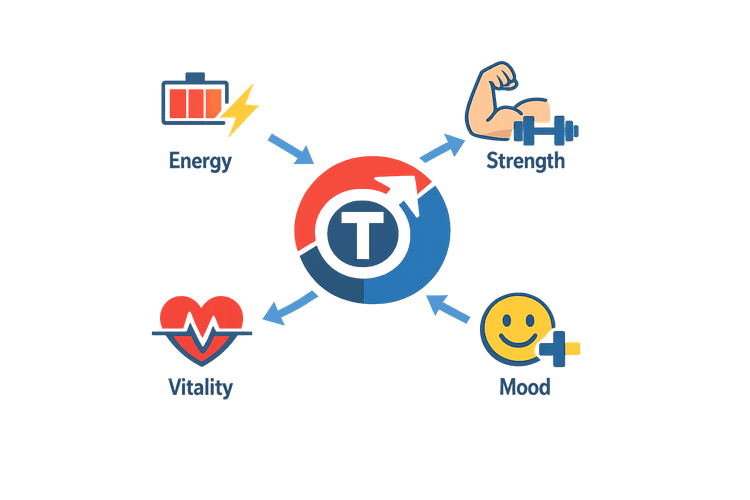
Low testosterone is not just a number on a lab report. When testosterone drops below the normal range and stays there, it affects energy, mood, body composition, sexual function and bone density. The question is whether treating it changes those outcomes in a way you can measure.
The trials say yes, but the effect sizes are modest. A 2017 systematic review of 87 randomized controlled trials found that testosterone replacement therapy improved quality of life with a standardized mean difference of -0.26 compared to placebo. That is a small to moderate effect. Libido improved more reliably, with a standardized mean difference of 0.33. Depression scores improved slightly, with a standardized mean difference of -0.23, and erectile function improved with a standardized mean difference of 0.25. Most of these trials were short — weeks to months — and many were at high or unclear risk of bias.
What the Numbers Mean for You
A standardized mean difference tells you how much the average treated person improved compared to the average placebo person, measured in standard deviations. An SMD of 0.2 is considered small, 0.5 moderate, and 0.8 large. The improvements seen in the trials are on the small to moderate side, which means some men notice a clear change and others do not.
The trial results do not tell you whether you, specifically, will feel better. They tell you that on average, men with low testosterone who start treatment report modest improvements in the areas measured. The trials did not find an increased risk of adverse events overall, though withdrawals due to side effects were higher with some formulations.
Why It Matters Beyond the Symptoms
Testosterone affects lean mass, fat distribution and bone mineral density. Low testosterone over years is associated with increased fracture risk and loss of muscle mass. Treating it can slow or reverse those changes, but the long-term data on fractures and cardiovascular outcomes are still incomplete. The trials that exist are too short to answer those questions definitively.
For men who want to preserve fertility, the choice of treatment matters more than the decision to treat. Testosterone replacement shuts down sperm production in most men. Enclomiphene vs hCG: Compare Two Options for Testosterone Production covers the alternatives that raise testosterone without suppressing the signal from the brain to the testes.
The significance of treating low testosterone is not that it fixes everything. It is that it addresses a measurable hormone deficiency with a treatment that has consistent, moderate effects on symptoms that matter to patients. The decision to start treatment depends on whether those effects are worth the cost, the monitoring and the trade-offs that come with each option.
How to Start Low Testosterone Treatment
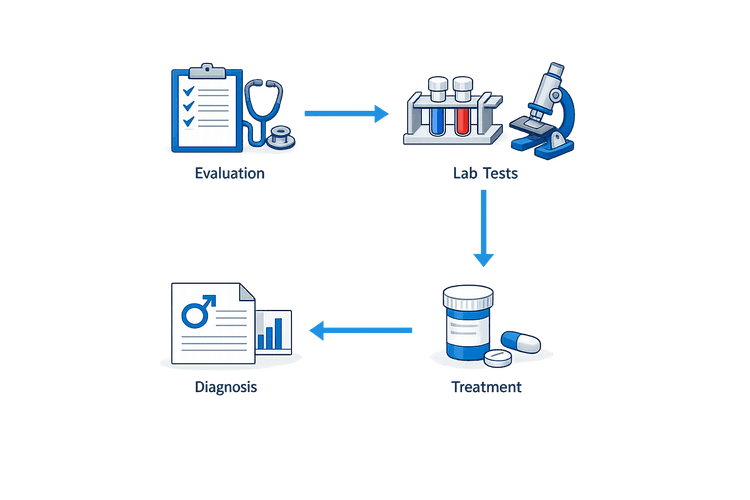
Starting TRT correctly means testing twice, ruling out reversible causes, and choosing a treatment that matches your goals. One morning blood draw is not a diagnosis, and a clinic that prescribes on a single result is skipping the guideline.
Before you start any treatment, you need two morning blood draws and a full hormone panel. One result is not a diagnosis. Labs vary, symptoms overlap with other conditions, and the number that matters is free testosterone, not just total.
Your doctor orders total testosterone, free testosterone, SHBG, LH, FSH, estradiol, hematocrit, and PSA. The Endocrine Society guideline says a normal total testosterone does not rule out a problem when SHBG is high. High SHBG binds testosterone tightly, leaving less free hormone available to your tissues. That is why you test both.
Step One: Get the Right Labs
Test fasting, before 10 a.m., on two separate mornings at least one week apart. Sleep, alcohol, recent illness, and training volume all shift results. Two readings give you a baseline. If both show low total or free testosterone with symptoms, you have a diagnosis. If one is low and one is normal, retest in a month.
Ask your doctor for the full panel listed above. Some clinics test only total testosterone and call it done. That misses half the picture.
Step Two: Rule Out Reversible Causes
Before starting medication, check for sleep apnea, obesity, alcohol use, opioid prescriptions, and recent corticosteroid treatment. Weight loss alone raises testosterone in men with obesity. Treating sleep apnea does the same. If you are on an opioid for chronic pain, that suppresses LH and testosterone production—switching medications may restore normal levels.
Your doctor reviews your medication list, asks about snoring and daytime fatigue, and may order a sleep study if apnea is likely. This step takes time, but starting treatment without addressing a reversible cause means you stay on medication longer than necessary.
Step Three: Choose a Treatment Based on Your Goals
TRT raises testosterone reliably but usually stops sperm production. Enclomiphene vs hCG: Compare Two Options for Testosterone Production explains the alternatives that preserve fertility. Enclomiphene and hCG raise your own testosterone by stimulating LH. TRT replaces it with exogenous hormone.
If you want to preserve fertility or avoid lifelong treatment, enclomiphene or hCG is the starting point. If your LH is already high and your testes are not responding, those options will not work—you need TRT. The LH result from your initial panel tells you which path fits.
Low or normal LH with low testosterone suggests your pituitary is not signaling hard enough. Enclomiphene or hCG can raise that signal. High LH with low testosterone means your testes are not responding to the signal they already receive. In that case, TRT is the option that works.
Step Four: Understand the Formulations
Prescriptions for TRT are available in various formulations, including creams, gels, solutions, patches, intramuscular injections, and subcutaneous pellet implantation. Each has trade-offs in cost, convenience, and how steady your testosterone level stays.
Injections cost less and keep levels stable when dosed twice a week. Gels and creams apply daily, absorb through the skin, and cost more. Pellets implant under the skin every few months but require an office procedure. Patches stick to your skin overnight and some men develop irritation.
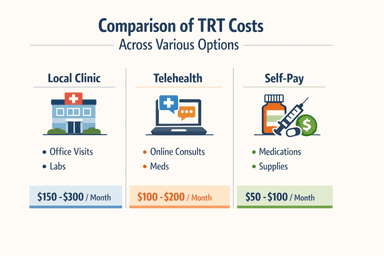
Your insurance may cover one formulation and not another. Telehealth clinics often sell compounded creams or injections because those are not tied to a pharmacy benefit manager's formulary. Ask what the medication costs you per month after insurance, and whether labs and the first consultation are billed separately. Does insurance cover TRT? breaks down what plans typically pay and what you pay out of pocket.
Step Five: Start Low, Monitor Closely
Patients receiving TRT require close monitoring to manage potential adverse effects and ensure safety. You retest total and free testosterone, hematocrit, and estradiol six weeks after starting treatment. Hematocrit rises on TRT—if it climbs above 54%, you donate blood or lower your dose. Estradiol may rise as well; high estradiol causes water retention and mood swings in some men.
Your doctor adjusts the dose based on those results. The goal is free testosterone in the upper half of the reference range and hematocrit below 54%. You retest every three to six months once your levels are stable, and annually after the first year.
If you are over 40, your doctor checks PSA at baseline and annually. TRT does not cause prostate cancer, but it can accelerate existing cancer. A rising PSA triggers a urology referral.
Best Practices for Optimizing Low Testosterone Treatment
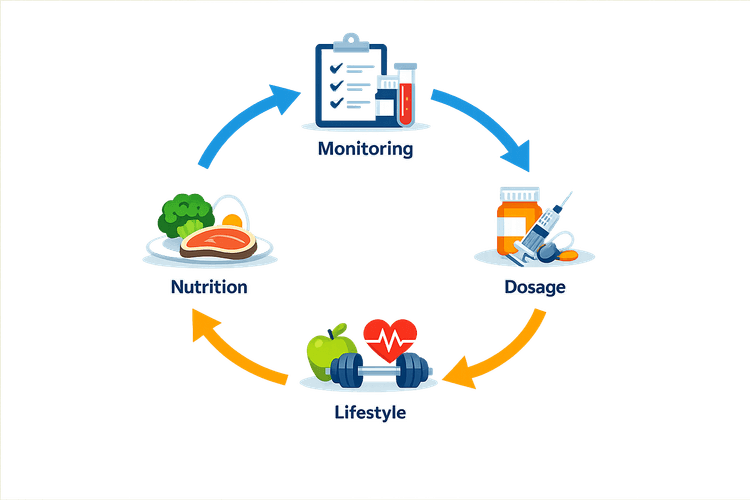
Starting TRT is one thing. Getting it right over months and years is another. The difference between a patient who feels better and one who accumulates side effects often comes down to monitoring, dose adjustment, and knowing when to ask questions.
Monitor the Panel, Not Just the Number
Total testosterone alone does not tell you enough. Track free testosterone, hematocrit, estradiol, PSA, and lipids at regular intervals. Hematocrit above 54% raises stroke and clot risk; estradiol too high or too low affects mood, libido, and bone density. Your doctor should order labs at three months, six months, and then annually if stable. If you feel worse after feeling better, test before changing the dose.
SHBG matters here too. High SHBG in men can bind up free testosterone even when total testosterone looks normal, and TRT does not always fix that. If your SHBG was elevated before treatment, recheck it during optimization.
Adjust Dose and Frequency Based on Response
The starting dose is a guess. Some men feel best at 100 mg per week; others need 200 mg or more. Symptom relief, lab values, and side effects guide the adjustment. If you feel great at week four but crash at week ten, your dose may be too high and driving estradiol or hematocrit up. If you never feel better, your dose may be too low or your delivery method wrong.
Injection frequency also matters. Weekly dosing produces larger peaks and troughs than twice-weekly or every-other-day dosing. Men who report mood swings or fatigue between injections often improve with more frequent, smaller doses. Subcutaneous vs intramuscular testosterone injections compares the two methods and their effects on absorption.
Address Lifestyle Factors That Undermine Treatment
TRT does not fix poor sleep, excess weight, or alcohol use. A 250-pound man with untreated sleep apnea will not optimize his testosterone response until he loses weight and treats the apnea. Alcohol suppresses testosterone production even when you are on replacement. Overtraining without adequate recovery raises cortisol and blunts the benefits of therapy.
The free option here is sleep. Seven to eight hours per night, consistent bedtime, and treatment for snoring or apnea all improve how your body responds to TRT. Weight loss of even 10% can lower SHBG, reduce aromatization to estradiol, and improve insulin sensitivity.
Effective patient education and counseling are essential to improve compliance and treatment outcomes.
Know When to Add Ancillary Medications
Some men need more than testosterone alone. If hematocrit rises too high, your doctor may lower your dose or prescribe therapeutic phlebotomy. If estradiol climbs and causes nipple sensitivity or water retention, a low-dose aromatase inhibitor may help, though many men do better with dose adjustment first. If you want to preserve fertility, adding hCG to your TRT protocol can maintain testicular function; enclomiphene vs hCG compares the two approaches.
Do not add ancillaries without testing. Aromatase inhibitors can crash estradiol, which worsens joint pain, libido, and mood. hCG can raise estradiol further in some men. Test, adjust, retest.
Communicate with Your Provider Between Visits
If you develop new symptoms—chest pain, shortness of breath, severe headache, leg swelling, nipple discharge, mood changes—contact your provider before your next scheduled visit. These may signal complications that require immediate evaluation. If you feel no better after three months on a stable dose, say so. Your provider cannot adjust what they do not know about.
Patients receiving TRT require close monitoring to manage potential adverse effects and ensure safety. That monitoring depends on you reporting accurately and your provider acting on the data. If your clinic does not order labs or does not review them with you, find a different clinic.
Common Mistakes in Low Testosterone Treatment
Most errors in starting TRT happen before the first injection. They cluster around testing, choosing a treatment without understanding the trade-offs, and skipping baseline measurements that you need later for monitoring.
Starting Treatment on One Morning Result
A single low reading does not confirm low testosterone. The Endocrine Society guideline requires two morning measurements, collected before 10 AM on separate days, before diagnosis. Testosterone fluctuates day to day and throughout the day. One result tells you what happened that morning; two results tell you whether the pattern holds.
Some clinics advertise same-day prescriptions. That model skips the second test. If your first result was a statistical outlier, you start treatment you do not need.
Ignoring SHBG and Free Testosterone
Total testosterone is the number most clinics advertise, but it does not tell you how much testosterone your body can use. SHBG binds testosterone and makes it unavailable to tissues. When SHBG is high, total testosterone can sit in the normal range while free testosterone is low and symptoms persist.
According to the Endocrine Society guideline, a normal total testosterone level does not rule out a problem when SHBG is elevated. Without measuring both, you cannot interpret the result. High SHBG in Men: Causes and Questions to Ask Your Doctor covers what drives SHBG up and what to ask your doctor before starting treatment.
Choosing a Treatment Without Understanding the Fertility Trade-Off
TRT usually suppresses sperm production. Enclomiphene and hCG usually preserve it. That difference matters if you want biological children in the next few years. Most men learn this after they start, not before.
The mechanism is straightforward. Exogenous testosterone signals your pituitary to stop producing LH and FSH, which your testes need to make sperm. Enclomiphene blocks that signal; hCG replaces LH directly. Both options cost more and require more monitoring than TRT, but they leave the pathway intact.
If fertility matters to you, test it before you start. A semen analysis costs less than reversing suppression later.
Skipping Baseline Hematocrit and PSA
TRT raises red blood cell production. In some men, hematocrit climbs above the safe range, increasing cardiovascular risk. You need a baseline measurement to know whether the change is large and whether dose adjustment or therapeutic phlebotomy is required.
Concerns about TRT and prostate cancer have been studied. The evidence does not show that TRT causes prostate cancer in men with normal baseline PSA, but monitoring remains standard practice. Without a baseline PSA, you cannot interpret follow-up results.
Not Reading the Telehealth Clinic Fine Print
The advertised monthly price covers the medication. Labs, the first consultation, and follow-up visits are often billed separately. Some clinics require a minimum commitment period; others auto-renew subscriptions and make cancellation difficult.
Before signing up, ask what the total first-year cost includes: initial labs, follow-up labs at three and six months, consultation fees, and shipping. The cheapest advertised price is rarely the number you pay.
Frequently Asked Questions about Low Testosterone Treatment
Does TRT increase prostate cancer risk?
A randomized clinical trial in men with hypogonadism found that TRT was associated with low and similar incidences of high-grade or any prostate cancer compared with placebo. The study carefully excluded men at high risk for prostate cancer and followed participants using a standardized monitoring plan. Testosterone replacement therapy did not increase rates of acute urinary retention or invasive surgical procedures for benign prostatic hyperplasia (BPH).
The concern about prostate risk heavily influences decision-making by clinicians and patients considering TRT. The trial's findings allow for a more informed appraisal of the actual risks.
How often do I need monitoring on TRT?
Most guidelines recommend checking hematocrit, PSA, and testosterone levels at regular intervals. The first follow-up typically occurs at 3 months, then every 6 to 12 months once stable. A review of patient-directed TRT websites found that only 35% mentioned PSA monitoring and 30% mentioned serum testosterone monitoring — meaning many online sources skip this essential information.
Your clinic should tell you the monitoring schedule before you sign up. If they don't mention labs after the first prescription, ask what the monitoring plan is and what it costs you.
What side effects should I watch for when starting TRT?
A content analysis of 20 TRT information websites found that gynecomastia (35%) and increased hematocrit (35%) were the most commonly described side effects. Other effects include acne, fluid retention, testicular atrophy, and reduced sperm production. Only 5% of websites described TRT as safe, and 40% failed to cite sources for their claims.
The mean quality score for online TRT information was 46.4 out of 100, indicating fair-quality information. Many websites were incomplete and often failed to describe important safety information or the need for regular monitoring.
Will TRT affect my fertility?
TRT suppresses LH and FSH, which usually reduces sperm production. Most men on TRT see a significant drop in sperm count, and some become azoospermic (zero sperm). The effect is not permanent for most men — sperm production typically recovers after stopping TRT, but recovery can take months to over a year.
If fertility is a concern now or in the near future, ask your doctor about alternatives like enclomiphene or hCG, which raise testosterone without suppressing sperm production.
How long does it take to feel results from starting TRT?
Most men report improvements in energy, mood, and libido within 4 to 6 weeks. Strength and body composition changes take longer — typically 3 to 6 months. If you feel no change after 3 months and your testosterone level is in the target range, the issue may not be testosterone alone.
Test twice before starting, and retest at 6 weeks to confirm you are in range. One morning result is not a diagnosis, and one follow-up result is not proof of optimization.
Can I stop TRT once I start?
Yes. TRT is not a lifetime commitment. If you stop, your body's natural testosterone production will usually resume, though it may take several months. Some clinics use hCG or clomiphene during the recovery period to speed up the process.
Before stopping, discuss the plan with your doctor. Abrupt discontinuation can cause fatigue, low mood, and loss of the gains you made on treatment.
Conclusion: Navigating Low Testosterone Treatment
Starting TRT is not a one-size decision. The evidence shows that testosterone replacement raises testosterone more reliably than enclomiphene or hCG, but it also suppresses your own production and usually your sperm count. Enclomiphene and hCG preserve fertility for most men but deliver smaller, less predictable increases. The choice depends on where you are now — your age, your LH level, whether you want children — and what trade-offs you can live with in money, monitoring and fertility.
Before you sign anything, get two morning total testosterone results, a free testosterone calculation, LH, FSH, and a full metabolic panel. A single low number is not a diagnosis. A normal total testosterone does not rule out a problem when SHBG is high — the Endocrine Society guideline says so. Ask your doctor for the full panel, not just total testosterone. If a telehealth clinic quotes you a monthly price, ask what labs and the first consultation cost; the advertised number often covers only the medication, and the rest is billed separately.
Once you start, the monitoring schedule matters as much as the drug. Hematocrit, PSA, estradiol and symptom response all need tracking, and the timeline differs by formulation. Injectable testosterone requires follow-up labs at different intervals than daily gel or oral capsules. The regulatory status of compounded drugs also matters: compounded enclomiphene, compounded hCG and compounded testosterone are all off-label in the U.S., which affects insurance coverage, FDA oversight and what your pharmacy can legally dispense. Know what you are getting before the first dose.
The concern about prostate risk has historically shaped how clinicians and patients weigh TRT. Recent trial data in men carefully screened to exclude high prostate-cancer risk found low and similar rates of high-grade prostate cancer, acute urinary retention and invasive procedures for benign prostatic hyperplasia in the TRT and placebo groups. These findings support a more informed appraisal of potential risks, though they do not eliminate the need for baseline PSA, digital rectal exam and ongoing monitoring in men over 40 or those with a family history.
If you want more detail on how enclomiphene compares with hCG for preserving your own production, or what oral testosterone formulations cost and require, those guides walk through the trial data and the monitoring each option demands. The short answer: test first, test twice, and know what the label says before you decide.
Sources(26)
- The Journal of clinical endocrinology and metabolism (2026)
- The Journal of clinical endocrinology and metabolism (2018)
- The Journal of urology (2020)
- U.S. Food and Drug Administration — Drug Safety Communication: FDA cautions about using testosterone products for low testosterone due to aging; requires labeling change to inform of possible increased risk of heart attack and stroke with use (2015)
- JAMA (2017)
- American Urological Association — Evaluation and Management of Testosterone Deficiency (AUA Guideline) (2018)
- American family physician (2024)
- International journal of pharmaceutical compounding (2015)
- International journal of impotence research (2023)
- The journal of sexual medicine (2022)
- Public health reports (Washington, D.C. : 1974) (2015)
- F&S reviews (2020)
- The journal of sexual medicine (2013)
- The Journal of arthroplasty (2025)
- European urology focus (2017)
- The Journal of the American Board of Family Practice (2001)
- The aging male : the official journal of the International Society for the Study of the Aging Male (2015)
- Andrology (2025)
- Therapeutics and clinical risk management (2009)
- European journal of endocrinology (2024)
- BMJ open (2017)
- Clinics in geriatric medicine (2010)
- Current opinion in endocrine and metabolic research (2019)
- International journal of general medicine (2022)
- Expert opinion on pharmacotherapy (2005)
- U.S. Food and Drug Administration — Testosterone Information (2026)