Urology for Low Testosterone: When to See a Urologist for Low

Updated
Top takeaways
- Low testosterone requires both symptoms and consistently low blood test results before diagnosis
- A urologist evaluates testosterone deficiency when it stems from testicular damage, genetic conditions, or chemotherapy
- Age-related decline alone does not automatically warrant treatment, even when symptoms appear
- Two morning testosterone measurements are the standard for confirming low levels
- Heart attacks and strokes have been reported with testosterone treatment, making proper patient selection critical
Introduction
When to see a urologist for low testosterone depends on both your symptoms and your lab results. You need symptoms of testosterone deficiency and unequivocally low serum testosterone on repeated testing. One morning result is not a diagnosis.
A urologist becomes relevant when low testosterone has a medical cause. Testosterone replacement therapy is approved for men whose low levels result from genetic problems, chemotherapy, or infections that damaged the testicles. It is not approved for men whose testosterone declined with age, even when symptoms seem related. The FDA states that the benefit and safety of testosterone have not been established in aging men with low levels but no underlying medical condition.
This matters because the decision to treat is not automatic. Symptoms like low energy and sexual dysfunction are common in aging men, but it remains uncertain whether testosterone levels cause them or whether normal aging does. Before you see a urologist, you need blood work that shows your total and free testosterone are consistently low, and you need to know whether an underlying condition explains it.
The rest of this article covers when your symptoms and lab results warrant a urology referral, what conditions make you a candidate for evaluation, and how to prepare for the appointment. For a deeper look at non-TRT options that preserve fertility, see Enclomiphene vs hCG: Compare Two Options for Testosterone Production.
Understanding Low Testosterone
Low testosterone means your levels are too low to maintain normal function. The American Urologic Association defines that as a morning total testosterone below 300 ng/dL, confirmed on at least two separate occasions. One result is not a diagnosis.
Diagnosis requires both the number and symptoms that match it. Without symptoms, a low number alone does not trigger treatment. Without a low number, symptoms point somewhere else.
What Low Testosterone Actually Looks Like
The signs fall into three groups: sexual, physical and general.
Sexual symptoms include low sex drive, fewer spontaneous erections and erectile dysfunction. Physical changes include decreased testicular volume, gynecomastia (breast tissue growth), hot flashes, decreased bone mass, height loss, and loss of pubic or axillary hair. General symptoms include decreased muscle mass, decreased energy and decreased motivation.
Not every man with low testosterone reports all of these. Some report only one or two. The pattern matters more than the count.
Symptoms overlap with other conditions: thyroid disease, sleep apnea, depression, diabetes. A urologist or endocrinologist will test for those before attributing everything to testosterone. The lab panel includes LH and FSH to distinguish primary hypogonadism (testicular failure) from secondary hypogonadism (pituitary or hypothalamic failure). That distinction changes the treatment.
Why the Symptoms Matter
Low testosterone left untreated can reduce bone density, increase fracture risk, worsen anemia and lower quality of life. The symptoms themselves — fatigue, low libido, loss of muscle — often drive men to seek help before the lab consequences appear.
Treatment is not automatic. In men over 65, guidelines recommend individualized decisions after discussing risks and benefits. In younger men with clear symptoms and confirmed low levels, treatment options range from injections to oral formulations, each with different trade-offs in cost, convenience and monitoring.
The first step is recognizing the pattern and getting two morning tests. The second is seeing someone who reads the full panel, not just total testosterone.
When to See a Urologist for Low Testosterone: Key Signs
The short answer: you need two morning testosterone results below the reference range plus symptoms that match the low number. One result is not a diagnosis, and symptoms without a low number are not hypogonadism.
Start with the symptoms that send most men to a urologist. Low libido, erectile dysfunction, and infertility are the most common. If you have one of these and your total testosterone test came back low, a urologist can run the full panel—total and free testosterone, LH, FSH, and SHBG—and tell you whether the problem is in the testicles, the pituitary, or something else entirely.
When Symptoms Alone Are Not Enough
Some symptoms overlap with aging, sleep deprivation, and metabolic disease. Fatigue, weight gain, and mood changes can all happen with normal testosterone. That is why the guideline recommends diagnosing hypogonadism only in men with symptoms and unequivocally and consistently low serum total testosterone or free testosterone concentrations.
If your first test was borderline or your symptoms do not line up with the number, a urologist will retest before deciding anything. Test first, test twice.
High-Risk Groups That Should Test
Certain conditions carry a high prevalence of low testosterone and justify measuring it even if symptoms are subtle. Men with HIV-associated weight loss, osteoporosis or low-trauma fracture, a history of anabolic steroid use, or men receiving opioids or other drugs that affect testosterone production should ask their doctor for a testosterone panel. The same applies to men with unexplained infertility or erectile dysfunction that does not respond to first-line treatments.
What a Urologist Can Rule Out
Testosterone replacement therapy is approved only for men who have low testosterone related to certain medical conditions—genetic problems, chemotherapy, or infections that damaged the testicles. A urologist can distinguish these from age-related decline, which is not an approved indication and does not always benefit from treatment. The FDA has noted that the benefit and safety of testosterone have not been established in men whose only risk factor is age.
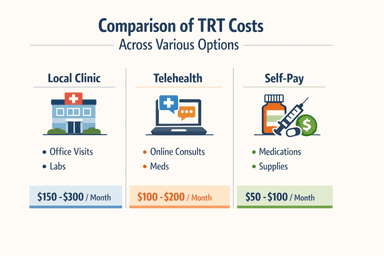
Before signing up with a telehealth clinic that advertises testosterone, see a urologist who will test you correctly and tell you what the number means. Many clinics treat the symptom list without checking LH or confirming a second low result. That is where it gets expensive—in money, monitoring, and fertility. Understanding whether insurance covers TRT can also help you plan for the cost.
For men weighing Clomid versus other options or enclomiphene versus hCG, a urologist can explain which mechanism fits your labs and whether preserving sperm production matters for your situation.
Preparing for Your Appointment
You need two things before the visit: your symptoms written down and a morning available for blood work. The urologist will ask what changed and when, and a list beats memory. Write the timeline: when fatigue started, when libido dropped, whether erections weakened gradually or suddenly. Include every prescription and supplement you take, the dose and how long you have been on it.
Schedule the Lab Before You Go
Most urologists want to see numbers before the first appointment. Call the office and ask whether they need labs drawn in advance. If yes, schedule the blood draw between 7 and 10 a.m. — testosterone peaks in the morning, and one afternoon result will not tell the doctor what your baseline is. The panel typically includes total testosterone, free testosterone, LH, FSH and sometimes SHBG. If you are 40 or older, expect PSA and hematocrit on the list.
What the Urologist Will Ask
The visit starts with a symptom inventory: energy, libido, erections, mood, sleep, weight changes. The doctor will ask about prior testosterone use, fertility goals, and whether you have sleep apnea or a history of prostate or breast issues. If your labs show low testosterone with low LH, the urologist may order pituitary imaging. If testosterone is low but LH is high, the focus shifts to testicular function. The questions are not small talk — they map the diagnostic tree.
If your labs came back borderline or your symptoms do not match the numbers, expect a repeat test. One morning result is not a diagnosis. The guidelines call for two low readings on separate days before starting treatment, and most urologists follow that standard.
The number that matters is not whether you are below the reference range — it is whether your symptoms and your labs point to the same cause.
Questions to Bring
Ask what the labs show about your pituitary and testicular function — that tells you whether the problem is primary (testicular) or secondary (brain signal). Ask whether your age, weight or sleep could be driving the number down before medication enters the conversation. If treatment comes up, ask what it costs you in money, monitoring and fertility. For men under 40 or men planning children, ask about enclomiphene or hCG versus TRT — the former usually preserves sperm production, the latter usually does not.
If the urologist recommends annual monitoring, ask what gets tested and how often. Men 40 or older on testosterone replacement typically need serum testosterone, hematocrit and PSA measured at baseline and at least once a year. Younger men may follow a lighter schedule, but nobody skips follow-up labs entirely.
Conclusion
Recognizing when to see a urologist for low testosterone starts with the symptoms — low sex drive, difficulty getting an erection, persistent fatigue — but diagnosis requires testing. Two morning results, separated by at least a week, plus LH and FSH tell you whether your pituitary is signaling properly or your testicles aren't responding. One result on a bad day is not a diagnosis.
A urologist can order the full panel, interpret the numbers in context, and rule out other causes — thyroid, sleep apnea, medication side effects — before prescribing anything. If treatment is warranted, the choice between enclomiphene, hCG or TRT depends on your age, your fertility goals and what the labs show. If you want to preserve sperm production, that narrows the list. If you are older and low testosterone is confirmed with no pituitary signal, the conversation shifts.
The need to replace testosterone in aging men remains unclear. Aging men can experience decreased energy and sexual function, but whether these are caused by lowered testosterone or normal aging is uncertain. Heart attacks and strokes have been reported with testosterone treatment, which is why the FDA restricts approval to documented medical causes, not age alone.
Before signing up with a telehealth clinic that leads with price and skips the full workup, ask what labs they order, how many tests they require before prescribing, and whether they check LH and FSH. If the answer is a single total testosterone result and a prescription the same week, you are paying for convenience, not a diagnosis. For a deeper comparison of treatment options and what each costs in money, monitoring and fertility, see Enclomiphene vs hCG: Compare Two Options for Testosterone Production.
Test first, test twice, and bring the full panel to someone who reads it without selling you the drug.
Frequently asked questions
What symptoms indicate I should see a urologist for low testosterone?
Low libido, erectile dysfunction, persistent fatigue, decreased muscle mass, and unexplained infertility are the most common symptoms. If you have one or more of these plus two morning testosterone tests below 300 ng/dL, a urologist can evaluate whether an underlying medical condition is responsible.
How many testosterone tests do I need before seeing a urologist?
You need at least two morning testosterone measurements, taken on separate days, showing levels below the reference range. One result is not sufficient for diagnosis. The tests should be drawn between 7 and 10 a.m. when testosterone peaks.
When is low testosterone not related to aging?
Low testosterone unrelated to aging typically results from genetic conditions, testicular damage from chemotherapy or infection, pituitary disorders, or certain medications. A urologist uses LH and FSH levels to distinguish testicular failure from pituitary problems and to separate medical causes from age-related decline.
Does insurance cover a urology visit for low testosterone?
Most insurance plans cover urology consultations and lab work when symptoms and initial test results suggest a medical condition. Coverage for testosterone replacement therapy itself varies by plan and requires documented medical necessity. Check your specific policy or review this guide on TRT insurance coverage.
Sources(18)
- Journal of Clinical Endocrinology & Metabolism — Testosterone Therapy in Men With Hypogonadism: An Endocrine Society Clinical Practice Guideline (2018)
- U.S. Food and Drug Administration — Enclomiphene Citrate: FDA presentation to the Pharmacy Compounding Advisory Committee, June 8, 2022 (Madeline Wolfert, MD, CDER)
- The Journal of clinical endocrinology and metabolism (2026)
- JAMA (2017)
- F&S reviews (2020)
- The Journal of urology (2020)
- American Urological Association — Evaluation and Management of Testosterone Deficiency (AUA Guideline) (2018)
- International journal of impotence research (2023)
- Public health reports (Washington, D.C. : 1974) (2015)
- American family physician (2024)
- International journal of general medicine (2022)
- FP essentials (2023)
- MedlinePlus (U.S. National Library of Medicine) (2026)
- The aging male : the official journal of the International Society for the Study of the Aging Male (2026)
- Actas urologicas espanolas (2020)
- MedlinePlus (U.S. National Library of Medicine) (2025)
- U.S. Food and Drug Administration — Drug Safety Communication: FDA cautions about using testosterone products for low testosterone due to aging; requires labeling change to inform of possible increased risk of heart attack and stroke with use (2015)
- Annals of internal medicine (2020)